Here's the thing about dead bedrooms
They almost never start because someone stops loving the other person. They start because of work stress, parenting exhaustion, medical stuff, resentment building quietly in the background, or just the slow-motion erosion that happens when two people stop talking about what they actually want. And once the physical intimacy stops, restarting it feels impossibly awkward. The longer it's been, the more fraught it becomes.
I see couples in my practice all the time who haven't had sex in months or years. They love each other. They're not unhappy overall. But somewhere along the way, touch stopped happening, desire went silent, and now the idea of initiating feels scarier than maintaining the status quo.
The good news: a dead bedroom is one of the most fixable relationship problems there is. Not because you need to have more sex per se, but because reopening physical intimacy often reopens communication. And that's where the actual repair happens.
Why lemon vibrators work differently in a couple context
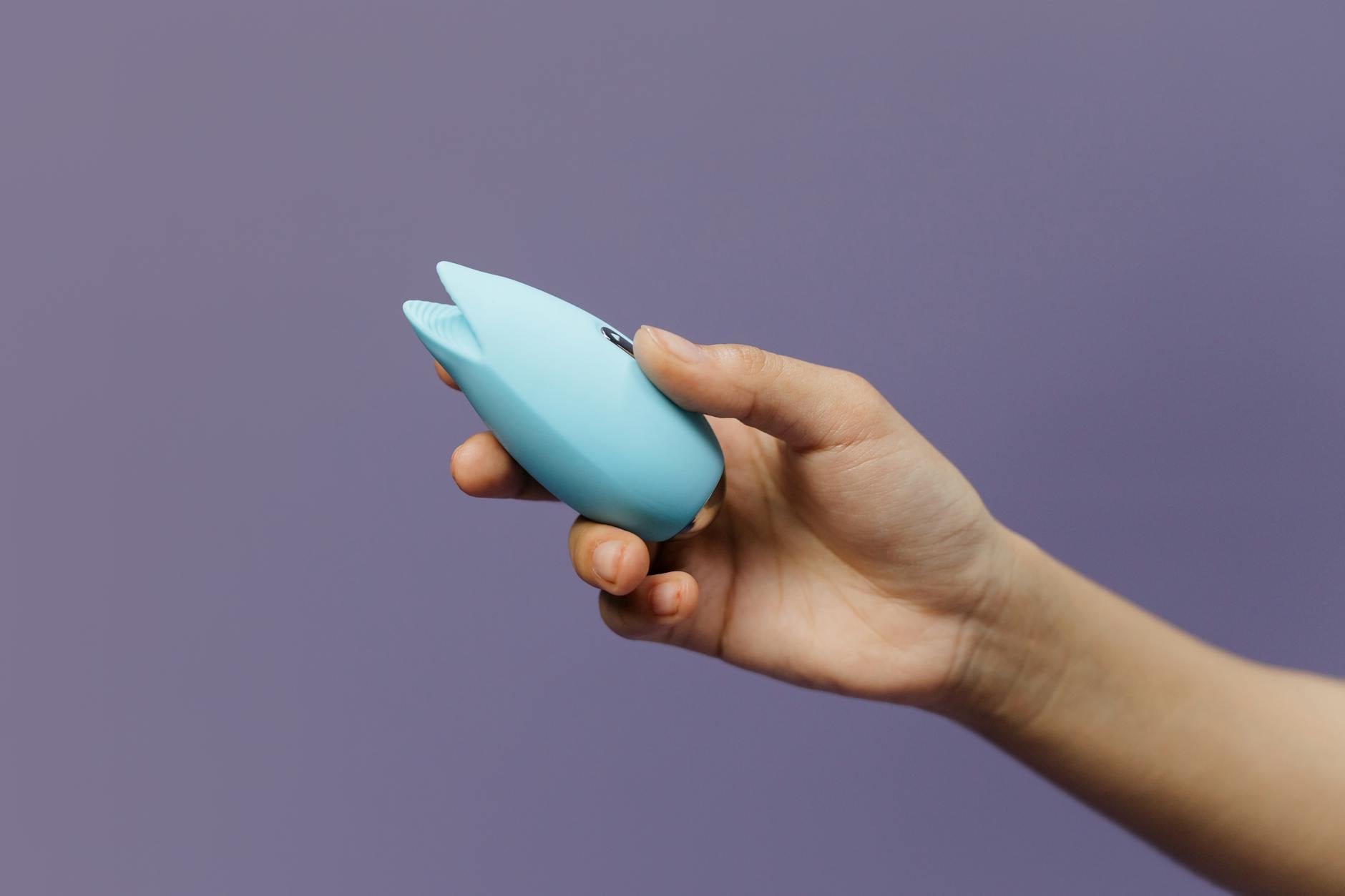
Here's what makes lemon clitoral vibrators useful for reconnecting when the bedroom's been cold: they're not about pressure to perform. They're about sensation and pleasure that exists independently of the partner's anxiety or timing or body.
When a bedroom has been dead for a while, both partners usually carry shame. The person with lower desire feels broken or guilty. The person with higher desire feels rejected and angry. Sex becomes loaded with all of that baggage. Introducing a lemon vibrator into the conversation (and eventually the experience) separates the sensation from the emotional weight.
It also gives both partners something to focus on other than anxiety. When you're watching your partner explore their own pleasure with a vibrator, you're not performing. You're witnessing. That's a different kind of intimacy.
The conversation that has to happen first
Before any toy comes into the room, you need a conversation that's not about sex at all. It needs to be about what happened. Why did touch stop? What was each person feeling? And I don't mean a blame session. I mean a genuine "I've noticed we've disconnected and I miss you" conversation.
That conversation might reveal that one person has been dealing with depression. Or body image issues. Or that the other person's approach to sex has always felt mechanical. Or that there's actual resentment that needs working through. These conversations are uncomfortable, which is exactly why they don't happen. But they're the actual work.
Once you've had that conversation (and you might need a therapist to help you have it), introducing a tool like a lemon vibrator becomes possible. Instead of "I want to have sex," it becomes "I've been thinking about pleasure and touch differently. I'd like to try something together. Would you be open to that?"
How to actually introduce it
There are three main ways this can unfold, depending on where you are.
Option one: you explore it alone first. If your partner isn't ready for joint exploration yet, using a lemon vibrator solo is still worthwhile. When you know what feels good on your own body, you can communicate that to your partner later. You also restore your own sense of pleasure, which often reignites desire.
Option two: you use it together but not penetratively. This is where most couples start. One partner uses a lemon vibrator while the other partner is present, touching them, being near them. There's no pressure to have sex. There's just touch and sensation happening in the same space.
Option three: you use it as part of partner sex. After some time exploring options one and two, many couples find that adding a vibrator into partnered sex feels natural. It's not a replacement for their touch. It's an addition. For many women, clitoral vibration during penetrative sex is the only way to orgasm, which means a lemon vibrator can actually make partnered sex work for the first time.
Whichever path you take, the key is that it's collaborative. You're not surprising your partner with a vibrator. You're saying, "I want to reconnect with you. And I think this might help us both feel less pressure and more pleasure."
Why sensation matters more than you think
When you've been touch-starved for months, your nervous system gets defensive. Your body forgets how to be touched without tensing. A lemon vibrator can actually reset that. The suction sensation is different from typical vibration. It's rhythmic, predictable, and it bypasses a lot of the anxiety that comes with partner touch because it's consistent.
That consistency helps your nervous system relax. Once your body remembers what pleasure feels like, it becomes easier to receive touch from a partner again. You're not starting from zero. You're starting from "my body knows pleasure." That's a completely different place.
This is especially true if your dead bedroom was caused by trauma, sexual anxiety, or a mismatch in desire. A lemon vibrator lets you practice pleasure on your own terms first. Then you can bring that sense of safety into partnered experiences.
The communication that comes after
Using a lemon vibrator together often opens doors that were closed. You're suddenly having conversations about what feels good, what you want, what scared you, why you stopped reaching for each other. Those conversations are where real change lives.
I recommend starting small with these conversations too. After using a vibrator together, don't launch into a massive relationship debrief. Just ask simple things: "Did that feel good?" "Do you want to try that again?" "What do you want to happen next?"
Over time, these small check-ins build into bigger conversations about desire, intimacy, and what both partners actually want. And that's where dead bedrooms come back to life.
When to get help from someone else
If the dead bedroom has been in place for years, or if there's serious resentment underneath, a lemon vibrator is a helpful tool but it's not therapy. You might need actual couples counseling. Especially if one partner has lost interest in sex entirely, or if there's infidelity or broken trust involved.
A sex therapist or couples counselor who's trained in intimacy issues can help you figure out what actually killed the bedroom and whether reconnecting is something you both actually want. Sometimes couples do the work and rediscover each other. Sometimes they realize the relationship has run its course. Both outcomes are valid.
But most of the time, a dead bedroom just means you've both been running on empty and forgot to check in about touch. That's fixable.
FAQ
Can a lemon vibrator actually fix a dead bedroom?
No single tool fixes a dead bedroom. But lemon vibrators can remove one big barrier: performance anxiety. When you're nervous about initiating, and your partner's nervous about rejecting you, nothing happens. A vibrator shifts the focus to sensation instead of pressure. That often opens space for conversation and reconnection. The actual fixing happens through communication.
What if my partner thinks toys are weird or threatening?
That's really common. Partners sometimes feel threatened because they think a vibrator means you don't want them anymore, or that they're not enough. Before introducing a toy, have that conversation. Explain that you want to increase pleasure together, not replace them. You might also watch some educational content together or read an article about why couples use toys. Sometimes hearing from other people helps.
Should we start with a lemon vibrator or a different kind of toy?
Lemon clitoral vibrators are usually a great entry point for couples because the sensation is gentle, rhythmic, and consistent. It's not intimidating like some of the heavier vibrators can feel. Plus the suction pattern is fundamentally different from vibration alone, which makes the sensation feel novel and interesting to both partners.
Is using a vibrator during partnered sex normal?
Yes. Studies show that couples who use toys together report higher satisfaction and better communication than couples who don't. It's become pretty standard, especially among younger couples. If your parents never talked about it, that's fine. But it's normal now.
What if we try this and it doesn't work?
If using a vibrator together doesn't spark reconnection, that tells you something useful. It means the dead bedroom isn't just about lack of tools. It's about something deeper. That's information you can bring to a couples therapist. The vibrator was an experiment, not a cure.
How do I bring this up without making things weird?
Pick a calm moment when you're not in bed. Say something like, "I've been thinking about us, and I miss being close. I'd like to explore some new things together. Would you be open to trying something?" You don't have to launch into specifics immediately. Start with the desire to reconnect. The vibrator is just a tool to make that easier.
The actual work is showing up
A dead bedroom is a signal that connection stopped. Reconnecting requires showing up, being vulnerable, and talking about the hard stuff. A lemon vibrator can make that easier by taking the pressure off performance. But the tool is never the solution. You are.
If you're ready to start that conversation with your partner, it might help to read about how couples use toys together or explore how to introduce toys without it getting awkward. Both posts walk through the conversation in more detail.
If you're stuck on whether this is worth doing, or if the bedroom's been dead so long you're not sure you even want to reconnect, that's the conversation to have with a therapist. Not because something's wrong with you, but because you deserve to know what you actually want.