Let's get real about the timing question
Here's what I hear in sessions: "When is it too early to bring up lemon vibrators with someone I'm dating?" The anxious follow-up is usually, "Will they think I'm weird? Or that I've done this before with someone else?"
Neither of those questions has the answer you think it does. Most people in their 20s, 30s, 40s, and beyond have either owned a vibrator, used one with a partner, or thought about it. That doesn't make you weird. It makes you normal. What actually matters is how you frame the conversation and when you choose to have it.
The three relationship phases and where toys fit
Timing isn't really about days or months. It's about trust and communication readiness. I think about it in three phases:
Phase One: Early Dating (weeks 1-8). You're still in the "best behavior" window. Sex might be happening, but there's usually a lightness to it. Bringing up a lemon vibrator here can feel jarring because the relationship hasn't established that you're both the kind of people who talk openly about desire and pleasure. Not impossible, just premature.
Phase Two: Established Comfort (2-4 months). You've had sex multiple times. You know each other's basics. You've had a few real conversations. This is where I see most successful toy introductions happen. The foundation exists. Trust is present enough that "I want to try something" lands differently.
Phase Three: Deep Intimacy (4+ months). You've probably already had some version of this conversation. You've settled into a rhythm. Adding tools feels collaborative rather than scary.
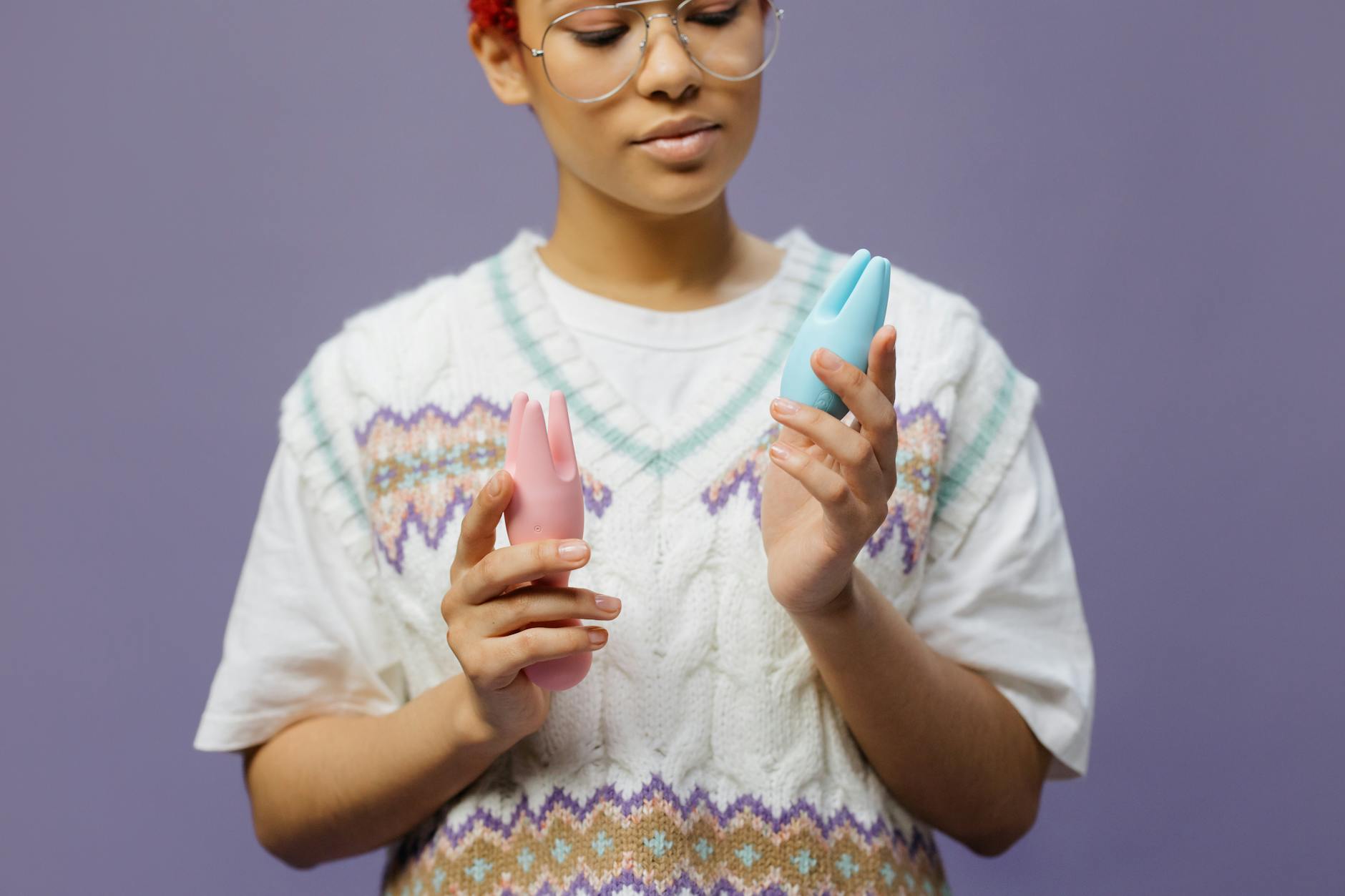
The thing about lemon vibrators, specifically, is that they're often less intimidating than traditional vibrators because the design is playful and less clinical looking. But the conversation mechanics are the same regardless.
How to frame it so it doesn't feel like a test
This is where I see people stumble. They say things like, "Would you be open to using a vibrator?" as if they're asking for permission to do something edgy. That framing puts your partner in a defensive position immediately.
Instead, anchor the conversation in your pleasure and your curiosity, not in what you think they might be lacking. Here are three real openers I recommend:
"I've been curious about trying something new during sex and I'd love to explore it together." This is about you, not about them. You're not implying they're not enough. You're saying you want more.
"I watched this video about how lemon vibrators work and honestly I'm intrigued. Would you want to try it with me sometime?" Removing the pressure by connecting it to something you learned makes it feel like shared exploration rather than a demand.
"I think it would feel amazing if we used something like this during sex. I want to see how my body responds and I want you there with me." This is collaborative. You're inviting them into your pleasure discovery, which is actually sexy.
Notice what these have in common: they're specific, they're about desire (not dissatisfaction), and they give your partner room to say yes without feeling like they're failing at something.
The block you'll encounter (and how to move through it)
Most partners fall into one of three reactions. One is enthusiasm. One is neutral curiosity. One is resistance. Only the third one actually requires strategy.
If your partner says something like "I don't know about that" or "I'm not sure that's for us," the next sentence matters more than the first one. Don't push. Don't defend. Do listen.
Often the resistance isn't about the vibrator itself. It's anxiety underneath. Maybe they're worried it means you're not satisfied with them. Maybe they've had a weird experience with toys before. Maybe they just need time to sit with the idea. Asking "What are you worried about?" often reveals the actual thing to address. Then you can talk about that instead of debating the toy.
Sometimes the answer is just "not right now." That's worth respecting. And sometimes, after a few months of trust-building, the same partner circles back and says, "Hey, remember when you mentioned trying something? I've been thinking about that."
Making it feel like play, not logistics
Here's the mistake I see: people make the toy introduction too ceremonial. They buy it in advance. They plan the moment. They make it a Big Thing.
Big Things create pressure. And pleasure under pressure is a contradiction.
Instead, introduce it casually. You could be browsing something together, find a product, and say, "Oh, I saw this the other day. Looks interesting, right?" You could bring it out mid-foreplay and say, "Want to try this?" The less you make of it logistically, the less pressure exists.
Physically, when you first use a lemon vibrator together, keep it light. Use it on yourself first while your partner watches or touches you. Let them see your response before they have to do anything with it. That visual evidence that you're genuinely enjoying it often dissolves any remaining hesitation.

Photo by cottonbro studio on Pexels
What to actually do with it once you're using it together
If you're introducing a lemon clitoral vibrator during partnered sex for the first time, here are the practical steps:
Start during foreplay, not as the main event. Your partner can touch you while you hold the vibrator and explore what feels good. This removes pressure for them to "figure it out" and keeps you in control of the sensation.
Once you're aroused, integrate it into penetration if that's relevant to your dynamic. A lemon vibrator works beautifully during partnered sex because the suction design doesn't vibrate inside, so it doesn't create weird sensations for the penetrating partner. It's all focused clitoral stimulation from the outside.
If orgasm happens, great. If it doesn't, still great. You're gathering data about what your body likes. That's the whole point.
Keep communication flowing. "That feels good" or "Let me adjust" or even "This is weird, let's try something else." The conversation doesn't end once you start using it. It's part of the experience.
The trust-building piece nobody talks about
Introducing toys isn't really about the toy. It's about creating a relationship where both people can say, "Here's something I want to try," and the answer can be yes or a real no, without judgment.
That's the actual muscle you're building. And once you have that, everything else becomes easier. Future conversations about desire, boundaries, fantasies, needs—they all become lower-stakes because you've already practiced being vulnerable and being heard.
So when you're thinking about timing and approach, you're not just deciding when to mention lemon vibrators. You're deciding what kind of partner you want to be to someone. Someone who hides parts of their pleasure? Or someone who can name what they want?
The partner worth keeping will want you to have that freedom.
FAQ
What if my partner thinks using vibrators means I'm not attracted to them anymore?
That's anxiety talking, not logic. A clitoral vibrator is a tool for your pleasure, not a referendum on your partner's appeal. The clearest way to address this is directly: "This has nothing to do with you. This is about me exploring my body and what makes me feel amazing. And I want you there with me." Then show them through your response. When they see how much you enjoy it, that insecurity usually softens.
Is it weird to use lemon vibrators in a relationship under six months old?
Not weird, but it requires more trust-building conversation up front. The earlier you are in a relationship, the more context your partner needs. By six months, you've usually had enough real conversations that introducing a toy feels like a natural next step rather than a random ask. If you're under six months and genuinely want to try it, just invest in more framing conversation beforehand.
How do I bring it up without sounding like I'm criticizing their performance?
Be specific about what you want, not what you lack. Say, "I want to experience stronger sensations" instead of "You're not getting me off fast enough." One is about your pleasure expansion. The other is about their failure. They're completely different conversations, and the first one works. Also consider that this might be less about them and more about you learning what your body is capable of, which is actually sexy to most partners once they understand it.
What if they want to use the vibrator on me in a way that doesn't feel good?
Show them instead of telling them. Take their hand and guide it. Or take the vibrator and demonstrate the rhythm and intensity you prefer. You're the expert on your body. You get to be in charge of how it's used. If your partner resists being guided, that's actually useful information about whether this is someone who cares about your pleasure or their own ego.
Can I use lemon vibrators if we haven't had penetrative sex yet?
Absolutely. Clitoral vibrators work entirely independently of any other form of sex. You can use them during foreplay, during oral sex, or solo while your partner is present. The kind of physical intimacy you've had doesn't determine when toys become available. Trust and communication do.
What's the best way to introduce lemon vibrators without my partner feeling like I've already used this with an ex?
Don't volunteer that information unless directly asked. If they ask, be honest. "Yeah, I've used vibrators before," is a complete answer. You don't owe a detailed history. What matters is that you're choosing to explore with them now, in this relationship. That's the relevant point.
The real thing you're building
Introducing lemon vibrators early in a relationship is less about the toy and more about the conversation you're learning to have. It's a low-stakes way to practice saying, "Here's what I want," and seeing if your partner is someone who listens.
If they are, you've got something worth holding onto. If they're not, you've learned that too, and that's valuable information at month three instead of month three of marriage.
Your pleasure matters. Wanting to explore it isn't selfish. It's healthy. The right partner will get that eventually, and maybe, just maybe, they'll thank you for the invitation to discover it together.