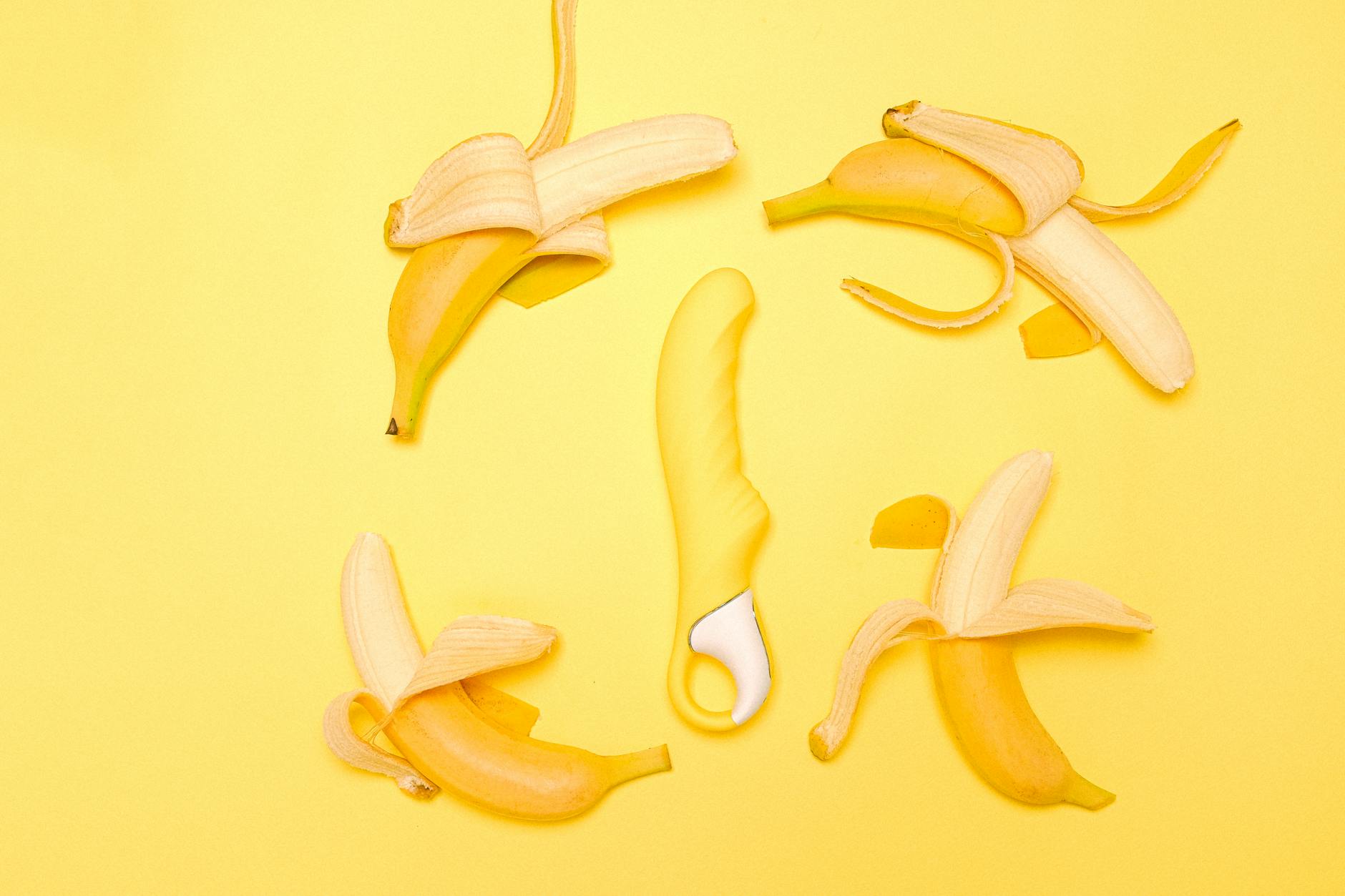
Let's be honest about what menopause does
Menopause changes pleasure. It does not end it. That's the distinction nobody explains well, so you get either "everything stops" or "don't worry, it's fine." Both miss the actual story.
Here's the physiological truth. Estrogen drops. Tissue thins. Lubrication decreases. Blood flow to the clitoral area shifts. Arousal takes longer to build. Your body responds differently to stimulation than it did at 35.
And here's what people forget to mention: your neural pathways for pleasure don't go anywhere. Your clitoral nerve density stays the same. Your brain's capacity for orgasm doesn't decline. Many of my clients report that their most intense orgasms come after menopause, not before.
Why sensation feels different (and sometimes better)
Three things happen at midlife that reshape the pleasure landscape.
First, thinner tissue changes the mechanics. Vaginal walls become less elastic. The clitoral hood gets thinner. This sounds like a loss, but it's actually a recalibration. Thinner tissue means nerves sit closer to the surface, so they respond more efficiently to the right kind of stimulation. Direct vibration that felt intense at 30 now feels perfect at 52. Lemon clitoral vibrators, especially the suction-style designs, work beautifully here because they don't require deep friction against sensitive tissue. They pull and release, which feels completely different from traditional buzzing.
Second, the cognitive load lifts. For decades, arousal competes with a thousand other things: fertility concerns, pregnancy fears, hormonal cycling, the pressure to perform for a partner. After menopause, that noise quiets. Many people describe their first fully present sexual experience in years. No countdown clock. No performance anxiety. Just sensation.
Third, you know your body now. You've had 20, 30, or 40 years to learn what works. You've probably ended relationships that weren't serving you. You're less likely to fake an orgasm or modify your pleasure to match someone else's timeline. That confidence alone transforms the experience.
The physical shifts that matter most
Four specific changes reshape how lemon vibrators feel on your body during and after menopause.
Lubrication changes, but it's manageable. Estrogen keeps tissues naturally wet. When it drops, you produce less lubrication. This doesn't mean you can't get wet, but you might need help. Water-based lubricant applied to the external clitoral area before using a lemon vibrator removes friction and makes sensation cleaner. Silicone-based lubes feel richer, but they damage silicone toys like the Lem vibrator, so stick to water-based formulas.
Arousal takes longer to build. Your body hasn't stopped being able to get turned on. It just takes more time. Budget 15-25 minutes of foreplay or solo exploration instead of 5. This isn't a bug. It's an opportunity to extend pleasure, add variety, and explore your body more deeply. Lemon clitoral vibrators are perfect here because you can spend time experimenting with different intensity levels and patterns without rushing to a finish line.
Clitoral sensitivity shifts. The clitoris doesn't become numb, but it does become more sensitive to certain types of stimulation. Broad, consistent pressure often feels better than rapid buzzing. This is exactly why suction-style lemon vibrators have exploded in popularity among women over 40. They create a seal around the clitoris and pulse, rather than vibrate aggressively. The sensation is more expansive and less likely to feel overwhelming.
Pelvic floor tension increases. Estrogen supports pelvic floor flexibility. As it drops, many women experience involuntary tightening, even without trauma history. This tightness can make orgasm harder to reach or change how it feels. Kegel exercises help, but so does learning the opposite skill: relaxing your pelvic floor fully before and during pleasure. A few minutes of conscious breathing and gentle internal massage before using a lemon vibrator can unlock sensation you thought you'd lost.
How to use lemon vibrators specifically during menopause
I recommend a four-step approach for anyone picking up a lemon clitoral vibrator during this phase of life.
Step one: Start with external use only. Don't assume internal penetration is where you want to go. Many post-menopausal women find the most satisfaction from external clitoral stimulation. A lemon vibrator held against the clitoral mound or vulva gives you control over pressure and allows you to experiment with pattern and rhythm. Spend three to five sessions just here before adding anything internal.
Step two: Use the lowest settings first. Lemon vibrators come with multiple intensity levels. Start at pattern one or two, even if it feels "too light." Your tissues are more sensitive now, not less sensitive. What felt understated at 35 hits completely differently at 50. Spend time with lower intensities. You can always turn it up; you can't undo oversensitivity in that moment.
Step three: Apply lubricant generously. This isn't about being "broken." It's about reducing friction on thinner tissue. Apply water-based lube to your clitoris and the external vulva before turning on your lemon vibrator. Reapply as needed. This small change makes the difference between pleasure and discomfort.
Step four: Treat warm-up time as part of the ritual, not a barrier. The 15-25 minute arousal window isn't a problem to solve. It's an invitation to slow down. Use a lemon clitoral vibrator on the lowest setting while you're still in the warm-up phase. Let your body respond gradually. Many women report that this extended timeline actually deepens sensation and creates more full-body arousal than the quicker responses of their younger years.
The emotional piece nobody talks about
Menopause often arrives with other midlife shifts. Grown children moving out. Partner changes. Grief about aging. Career transitions. It's easy to assume any dip in pleasure is hormonal. Sometimes it is. Often it's something else wearing a hormonal disguise.
If you're with a partner, separate the conversations. "My body is responding differently to touch" is different from "I want us to reconnect." Confusing them turns both into dead ends. You can have external changes and internal emotional needs at the same time.
Using a lemon vibrator during menopause isn't just about physical sensation. It's also about reclaiming your body as a source of pleasure in a life stage when culture tells you that's supposed to fade. It's an act of resistance and self-care.
When to see a specialist
If pain appears during penetration or external stimulation, don't wait. Genitourinary syndrome of menopause (GSM) is common and highly treatable, often with topical estrogen cream applied directly to the vaginal area. A menopause-trained gynecologist can transform the experience in weeks.
If desire has completely evaporated and isn't budging with time and exploration, testosterone therapy is worth discussing with your doctor. It's prescribed conservatively in the United States, but it's available and life-changing for many people. Low testosterone affects desire in everyone, not just men.
If you're experiencing pain during orgasm itself, that's worth investigating too. Sometimes pelvic floor dysfunction or other treatable conditions are the culprit.
How lemon vibrators compare to other tools during menopause
Traditional vibrators buzz in a fixed pattern. They work fine, but they can feel too intense on thinner clitoral tissue. Wand vibrators are broader and more diffuse, which some people prefer, but they're bulkier to control.
Lemon clitoral vibrators use suction technology, which creates a gentler, more expansive sensation. Instead of direct vibration against sensitive nerve endings, you get rhythmic pulsing and release. For post-menopausal bodies specifically, this often feels more comfortable and produces stronger sensations. You're not fighting tissue sensitivity; you're working with it.
FAQ: Pleasure and menopause with lemon vibrators
Can I use a lemon vibrator if I'm on hormone replacement therapy?
Absolutely. HRT doesn't change how lemon vibrators feel or work. If anything, HRT often restores some natural lubrication and tissue elasticity, which can make pleasure easier to access. Your experience with a lemon clitoral vibrator might improve on HRT, but that doesn't mean you can't enjoy one without it. The suction mechanism works regardless.
Is it normal that sensation feels different after a few years of menopause?
Completely normal. Your body keeps changing for 8-10 years after your last period. Tissue continues to thin, elasticity continues to shift, and hormone levels stabilize at a new baseline. This is why many women find that what worked great at year two post-menopause might need tweaking at year five. Stay curious and adjust your approach.
Will using a lemon vibrator regularly change my sensitivity over time?
No, but your preferences might shift. Some women find that after a few months of regular use, they prefer higher intensities. That's not desensitization; that's habituation to a new sensation, same as anything else. If it happens, taking a week or two off often resets your baseline sensitivity. You can also experiment with different vibrator patterns or positions.
Can a lemon clitoral vibrator help if I'm on antidepressants that affect libido?
Yes, sometimes. Antidepressants can dampen desire and delay orgasm. A lemon vibrator won't reverse that neurochemical effect, but it can make reaching orgasm easier by providing consistent, targeted stimulation that doesn't fatigue. If you're struggling with desire specifically, that's worth discussing with your prescriber; they may adjust timing or dose. But for orgasm accessibility, a good lemon vibrator often helps.
Is there an "expiration date" for pleasure after menopause?
No. Pleasure doesn't have an age limit. Your body's capacity to experience sensation, arousal, and orgasm doesn't decline with age. It changes. The mechanism shifts. But intensity and satisfaction often improve post-menopause because you're less distracted, more confident, and understand your body better. Many of my clients report their best orgasms happen in their 50s and 60s.
What if nothing feels good anymore, even with a lemon vibrator?
That deserves investigation. First, check if it's hormonal (see a menopause specialist). Second, check if it's relational (are you under relational stress or resentment?). Third, check if it's neurological or medical (diabetes, nerve damage, and other conditions affect sensation). And fourth, check if it's the tool (maybe a lemon clitoral vibrator isn't your thing; try a different style). Pleasure loss has a cause, and most are addressable.
The real story
Menopause doesn't end your sexual life. It's the middle chapter, and for many women, the richest one. Your body works differently now. Lemon vibrators, particularly clitoral suction models, are engineered for exactly these post-40 bodies. They don't require the same kind of friction or response speed that younger tissue needed. They meet you where you are.
What changes is not capacity. What changes is access, timing, and understanding. And all of those are things you can work with, adjust for, and optimize. The pleasure is there. You just need the right tools and the patience to find it again.
If you're exploring this for the first time during menopause, or rediscovering pleasure after years away, reach out. There's no timeline, no "right" way, and no expiration date on your sexuality.