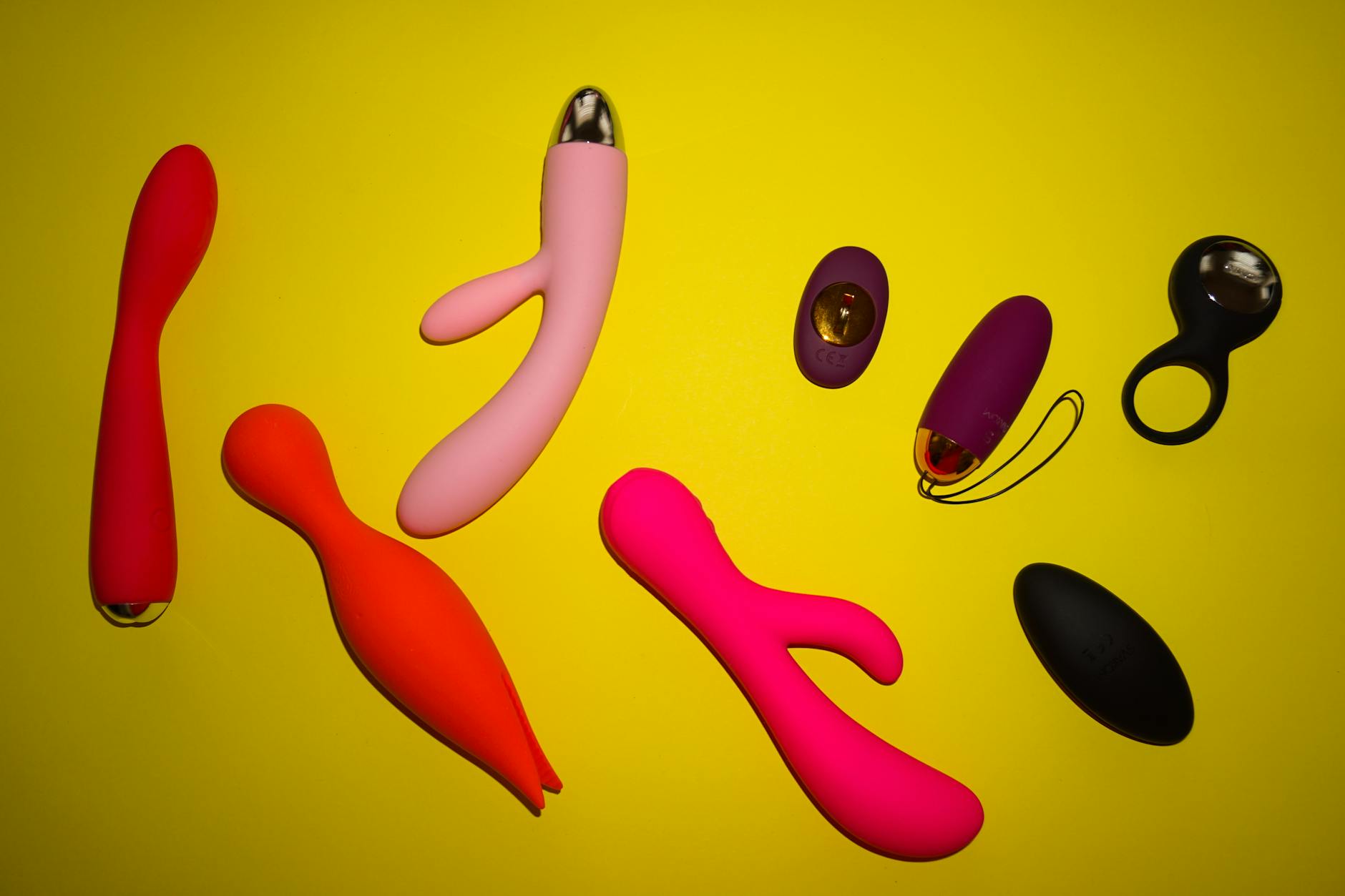
Let's start with the honest part
Your medication isn't trying to kill your sex life. But it might be doing it anyway. Antidepressants, blood pressure meds, antihistamines, and even some forms of birth control can muffle sensation in ways that feel like you've wrapped your entire body in a thick blanket. Everything still registers, but faintly. And that's wildly frustrating when pleasure used to be one of the clearest signals your body sent.
Here's what I want you to know: this is reversible. Not by stopping your meds (don't do that without talking to your doctor), but by understanding what's actually happening to your nervous system and using the right tools to wake it back up.
How medications actually numb sensation
This isn't psychological. Your medication is doing real work in your brain and body. SSRIs (the most common class of antidepressants) increase serotonin availability, which is great for mood but can dampen the dopamine and noradrenaline pathways that fire up during arousal. Beta-blockers for blood pressure lower overall sympathetic nervous system activation, which means your body doesn't ramp up as quickly or intensely when stimulated.
Antihistamines and some allergy medications? They also cross the blood-brain barrier and can reduce arousal signaling. The same mechanism that stops itching also quiets the nerve endings that register pleasure.
The good news: your nervous system hasn't forgotten how to feel. It's just working through a filter.
Why lemon vibrators work differently when you're on medications
Regular vibrators rely on your baseline sensitivity to register. If your baseline is lowered, a standard toy might feel like background noise. Lemon clitoral vibrators use suction and pulsation patterns that work differently than simple vibration.
Here's why that matters: suction stimulates deep nerve clusters in the clitoral bulb, not just surface sensation. When your nerve endings are dampened by medication, you need a tool that speaks louder without being rough. Lemon vibrators create consistent, rhythmic pressure that builds sensation over time rather than demanding immediate responsiveness.
Think of it this way. If medication turned your sensation down to 40 percent, a traditional vibrator at full strength might only register at 35 percent. A lemon vibrator at pattern 2 or 3 works with the physiology you have right now, building gradually until you cross the threshold into pleasure.
Start lower, build slower, expect longer
Most people think numbness means "go harder." That's actually backwards. Going harder when you're on medication-induced dulling often just numbs you further and can leave you feeling frustrated and defeated.
Instead, try this sequence:
Week 1: Patterns 1 and 2 only. Spend 15-20 minutes exploring just the lowest two settings of your lemon vibrator. No goal. No pressure to orgasm. You're reintroducing your body to stimulation and teaching your nervous system that pleasure is coming back online.
Week 2: Add pattern 3, but stay in the 15-20 minute window. Still no goal. Notice what's changing. Some people report tingling. Others feel warmth. Some feel nothing different yet. All of these are fine.
Week 3 onward: Progress when your body tells you to, not the calendar. If patterns 1-3 start feeling like something, gradually add pattern 4. If they still feel muted, stay where you are. You're not failing. You're creating the conditions for sensation to return.
This matters because your nervous system needs time to relearn. Medications don't just muffle sensation in the moment. They can affect your brain's neuroplasticity, your ability to form new pleasure pathways. Slow, consistent exposure helps reset those pathways.
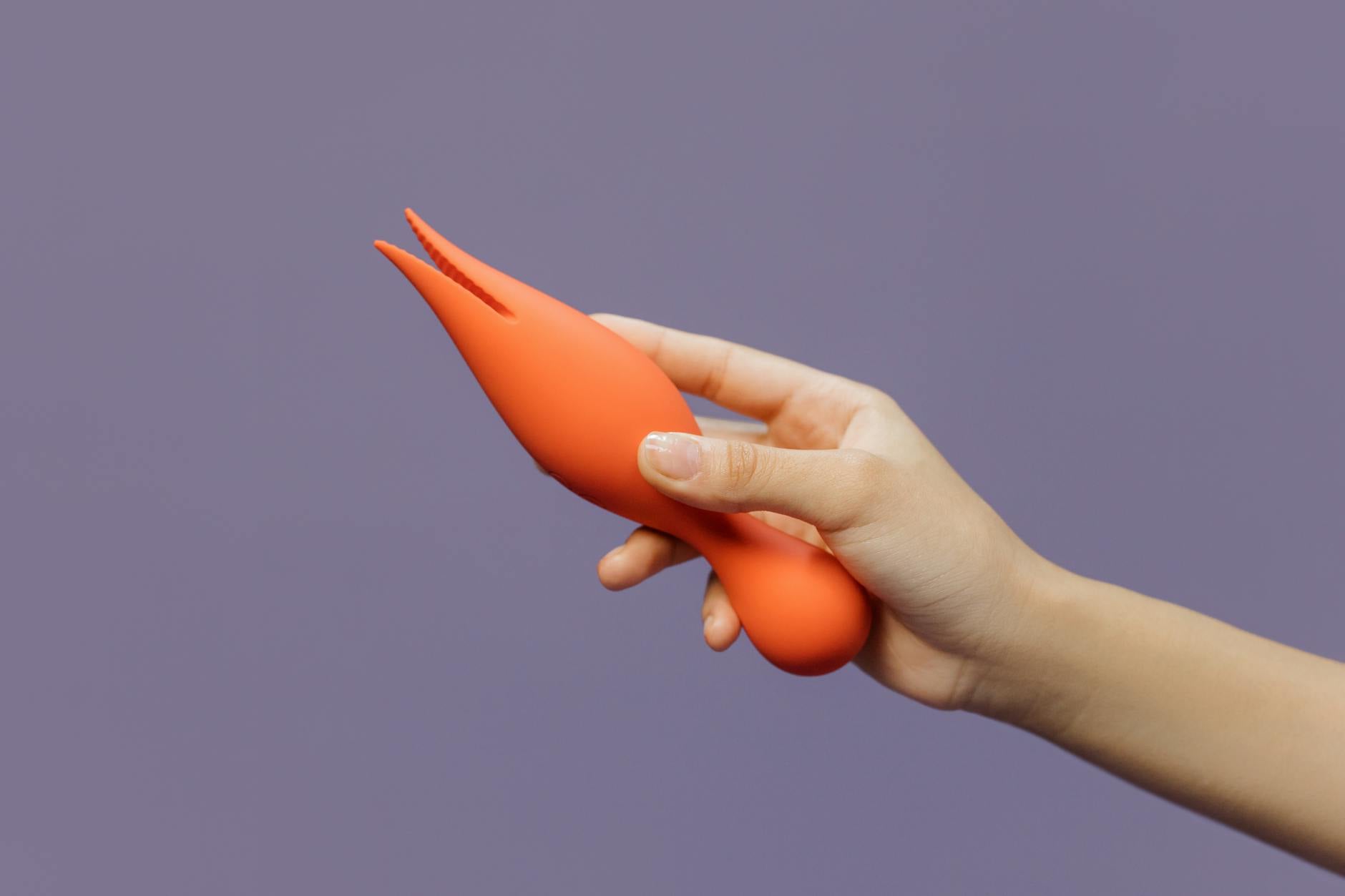
Photo by cottonbro studio on Pexels
The role of arousal time and mental space
When sensation is dampened, your brain has to work harder. That means arousal doesn't happen in five minutes. It happens in 25-40 minutes, and only if your mind is actually with you.
This is where people get stuck. They think the solution is a bigger, stronger toy. The actual solution is more time and better focus. The people I work with who rebuild sensation fastest are the ones who commit to longer sessions, not harder ones.
That means: no phones, no passive watching, no multitasking. Your brain's arousal centers need your full attention to compensate for the dampened nerve signals. It's almost meditative. You're not rushing toward a destination. You're following sensation wherever it appears, even if it's faint.
Some people find that adding mental focus (fantasy, erotica, memory) helps faster than physical tools alone. The dopamine pathway that's being muffled by your medication can be accessed through your brain as well as your body. Use both.
When to talk to your doctor
Not all medications affect sensation equally, and not all at the same dose. If you're on an SSRI and haven't had a conversation with your prescriber about sexual side effects, that's your next step. You have real options:
- Timing adjustments (taking your dose at a different time of day)
- Dose reductions (sometimes a lower dose keeps the benefits with fewer side effects)
- Different medications in the same class (SSRIs vary in how much they affect arousal)
- Supplemental medications designed to counteract sexual side effects
Don't white-knuckle through this assuming medication side effects are just part of the deal. They often aren't. Your mental health is important, and so is your sex life. Your doctor should be trying to preserve both.
If your provider dismisses sexual side effects as minor, consider getting a second opinion. This is a recognized issue in psychiatry and there are real solutions.
The patience piece (and why it matters)
Rebuild sensation takes time. Some people see changes in 2-3 weeks. Others take 2-3 months. Medication type matters, duration matters, individual physiology matters. There's no standard timeline.
The people who give up are the ones expecting a return to their baseline within days. The people who succeed are the ones who treat this like learning a new skill, with curiosity instead of frustration.
Use a lemon vibrator because clitoral vibrators like the Lem are built for this specific problem. The suction mechanism creates sensation that doesn't rely on your baseline sensitivity. You're not waiting for your body to feel normal again. You're using a tool designed to work with your current nervous system state while you rebuild.
And rebuild you will. I've seen hundreds of people regain full sensation while staying on medications that matter for their mental health. It requires patience and the right approach, but it's absolutely possible.
FAQ
Can I rebuild sensation while staying on my current medication?
Yes, in most cases. Your medication isn't causing permanent nerve damage. It's affecting how your nervous system processes signals, which is reversible. The strategies in this post work while you're on the medication. If you're considering stopping or changing your medication, talk to your prescriber first.
How long does it usually take to feel improvement?
This varies widely. Some people notice shifts in 2-3 weeks. Others take 8-12 weeks. Factors include the medication type, how long you've been on it, your baseline sensitivity, and how consistently you're rebuilding. Patience matters more than timeline.
Should I try a stronger lemon vibrator if the regular one isn't working?
Not initially. The Lem is already optimized for decreased sensation because of its suction design. If you're not feeling it, the issue isn't the toy, it's that your baseline sensitivity needs more time to reset. Going stronger usually just frustrates you further. Stick with lower patterns for longer.
What if I still feel nothing after three months?
Talk to your doctor. Sometimes medication adjustment is necessary. Other possibilities include underlying nerve issues, hormonal factors, or a medication that's particularly aggressive about dulling sensation for your specific brain chemistry. Three months of effort deserves professional guidance if progress stalls.
Can other people feel my numbness during sex with a partner?
Your partner might notice you're taking longer to respond, but they won't feel your reduced sensation. What they will feel is your lack of engagement if you're checking out or getting frustrated. The real conversation is about patience and understanding that your body needs more time and attention right now, not that anything is wrong.
Is medication-induced numbness permanent?
No. If your medication is causing it, the numbness is reversible once the medication is stopped or adjusted. But you're not stopping your medication for this. You're rebuilding sensation while staying on something that supports your mental health. That's the whole point.