Let's be real about trauma and pleasure
Healing from sexual trauma isn't about forcing yourself back into pleasure. It's about slowly, carefully reclaiming your body as your own. That's a fundamentally different project than "getting aroused again," and it requires patience, agency, and tools that don't push you anywhere you're not ready to go.
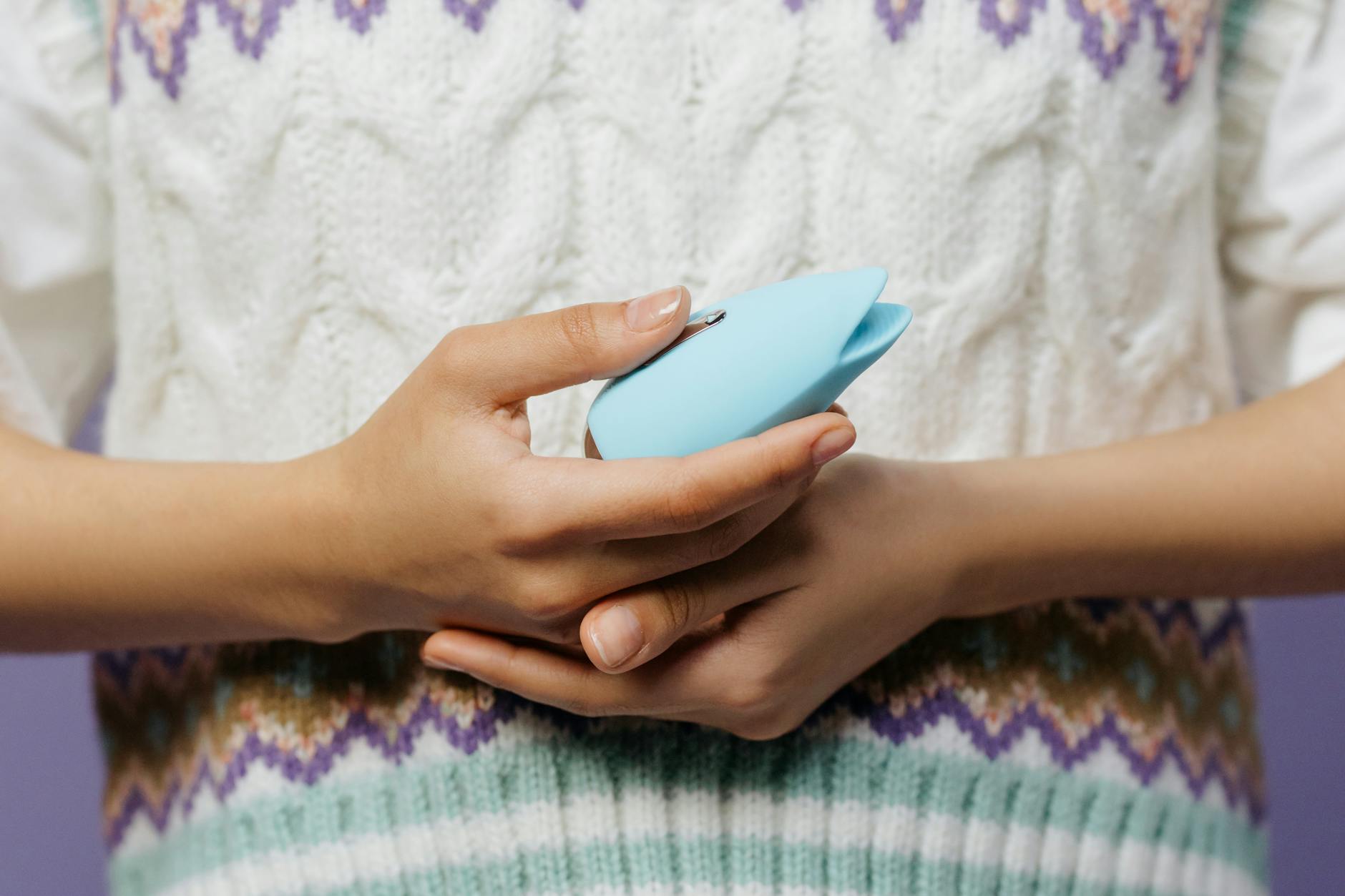
Lemon vibrators, particularly the suction-based design of devices like the Lem, can fit into this reclamation work. Not because they're magic. But because they give you something most traditional vibrators don't: complete control over intensity, speed, and the type of touch you're experiencing.
Why control is the foundation
Trauma lives in the body as a loss of agency. Someone else took control. Part of healing is remembering that you have it back. A clitoral vibrator that you can start, stop, and adjust at will isn't just a tool. It's a repeatable, low-stakes way to practice agency over your own body.
Lemon vibrators work well for this because they're designed around suction and pulse patterns rather than traditional vibration. Suction-based stimulation feels fundamentally different from penetration or aggressive vibration. It's more about pressure and rhythm than invasion. For many people rebuilding after trauma, that distinction matters.
You're not retraining yourself to tolerate something. You're learning what feels good when you're the one in charge.
Start with no expectation
Honestly though, the first time you use a vibrator after trauma might be just holding it. Not using it. Just getting used to its shape, weight, and the fact that it exists in your hand and you can put it down whenever you want.
That sounds small. It's not.
Run your hands over the Lem's shape. Hold it against your inner forearm or your neck first, not anywhere sexual. Get familiar with how it feels when it's off and when it's on at the lowest setting. The goal is zero arousal. The goal is just information gathering. Your nervous system needs to know this object is safe before it can help you feel pleasure.
Build incrementally
Once you're comfortable holding it, the next step is gentle external contact with your inner thighs or labia, still fully clothed. No expectations. No performance. You're noticing what happens without judgment.
Many trauma survivors find that their nervous system responds better to slower, sustained pressure than to vibration. Lemon vibrators offer pattern options that let you slow down. Start at the lowest pattern and lowest intensity. Let yourself notice whether the sensation feels grounding or destabilizing. Both are useful information.
If it feels good, you can stay there for 30 seconds or 30 minutes. There's no right amount. If it starts to feel weird or too much, you stop. You're the expert on your body now. You're proving that to yourself in real time.
The role of lubrication and comfort
Trauma can show up as tension in the pelvic floor. Your muscles tighten in self-protection. That tension makes external stimulation feel less pleasurable and sometimes uncomfortable. Water-based lubricant isn't just helpful here. It's often essential.
Lubricant reduces friction and allows the Lem's suction to work more smoothly. It also sends a message to your nervous system that you're preparing your body for something you're choosing. That intentionality matters.
Apply lube generously and reapply when you need to. There's no such thing as too much in this context. You're removing one source of discomfort so you can focus on the sensation itself.
Sensations to expect and what they mean
When you use a lemon clitoral vibrator after trauma, you might feel:
Numbness or flatness. This is incredibly common. Your body might not be responding as "expected." This isn't failure. It's your nervous system being cautious. Stay with it. Some people find that numbness eases after weeks of gentle, no-pressure exposure.
Panic or flashback sensation. If this happens, you stop immediately. This isn't judgment. You're getting important information that your system isn't ready for this particular sensation yet. Try again another time, or try a different pattern or intensity. There's no timeline.
Pleasure or building arousal. This might feel surprising or unfamiliar or fragile. That fragility is real. You don't have to perform anything with it. You can feel it and then stop. Pleasure after trauma doesn't have to lead anywhere. It can just be a moment you gave yourself.
Setting boundaries with partners
If you're in a relationship, using lemon vibrators for trauma recovery is often solo work first. You might not tell your partner right away. You might not tell them for months. That's your choice.
When you do want to share this part of your healing, it helps to be clear about what you need. Not "Would you be comfortable if I used a vibrator?" but "I'm using a vibrator as part of my healing work, and right now I need this to be something I do alone. I'm not avoiding you. I'm reclaiming my body." Most partners understand that distinction.
If a partner responds with pressure or withdrawal, that's information too. Healing from trauma in a relationship that doesn't support your reclamation is possible, but it's harder. You deserve space to rediscover pleasure without negotiation.
When to seek additional support
A vibrator is a tool. It's not therapy. If you're struggling to feel any sensation, if dissociation happens regularly when you try to touch yourself, or if pleasure still feels accompanied by shame or danger, you need a trauma-informed therapist alongside the physical reclamation work.
There's no shame in that. Therapy and vibrators can work together. One creates the psychological safety. The other gives you a concrete, manageable way to practice agency.
The long game
Recovering sexual confidence after trauma takes months or years, not weeks. You'll have days where touching yourself feels grounding and days where everything feels off-limits again. Both are normal. Progress isn't linear.
What matters is that you're the one choosing. You're the one setting the pace. You're the one deciding whether the Lem or any other lemon clitoral vibrator stays in your healing toolkit. Your pleasure reclamation doesn't look like anyone else's. It doesn't have to look like what it looked like before.
It just has to be yours.
People also ask
Is it normal to feel nothing when using a clitoral vibrator after trauma?
Completely normal. Trauma often creates numbness as a protection mechanism. Your nervous system is being cautious. Many people find that gentle, repeated exposure to sensation without pressure gradually helps reconnect. If numbness persists beyond a few weeks, a trauma-informed therapist can help assess whether your nervous system needs additional support.
Can lemon vibrators trigger flashbacks?
Some people find that particular sensations, especially penetrative ones, can activate trauma responses. Suction-based lemon vibrators tend to trigger fewer flashbacks than traditional vibrators because they're less invasive. That said, everyone's nervous system is different. If a particular pattern or intensity triggers panic, stop using it and try something gentler, or work with a therapist to understand what specifically is destabilizing.
Should I use a lemon vibrator with a partner or solo?
Both are valid, but most trauma survivors find that solo use comes first. You're rebuilding a relationship with your own body without performance pressure. Once you've established that your body can feel pleasure on your terms, partnered use becomes possible. Take the time you need solo first. There's no rush.
How do I know if I'm ready for partnered pleasure again?
You'll notice small shifts. Moments where you feel genuinely curious about touch instead of obligated. Times when your body relaxes instead of tensing. When those moments outnumber the hard ones, and when you can use a lemon vibrator without dissociation or panic, you're probably ready to have a conversation with your partner. A trauma-informed sex therapist can help you navigate that transition.
What if my partner wants me to use a vibrator but I'm not ready?
Your healing timeline is yours alone. No one gets to accelerate it. If your partner is pressuring you to use a vibrator before you're ready, that's a boundary violation, even if they think they're being supportive. Reclaim your body at your pace. If your partner can't respect that, couples therapy can help. If they won't, that might be information about the relationship itself.
How does a lemon sucker vibrator differ from other clitoral vibrators for trauma recovery?
Suction-based devices like the Lem create pressure and release rather than constant vibration. Many trauma survivors find this rhythm less triggering because it mimics a natural breath or heartbeat. It also allows for more control over intensity. You can start with the gentlest pulse and work up, or stay at a lower setting indefinitely. Traditional vibrators can feel more invasive and harder to modulate for survivors who are rebuilding trust with sensation.
Your healing, your pace
Using lemon clitoral vibrators after trauma isn't about performance or reaching a goal. It's about reclaiming your body as a source of safety and, eventually, pleasure. That work is slow and nonlinear and sometimes frustrating. It's also some of the most important work you can do.
You deserve to feel good in your body again. Not on anyone else's timeline. On yours.