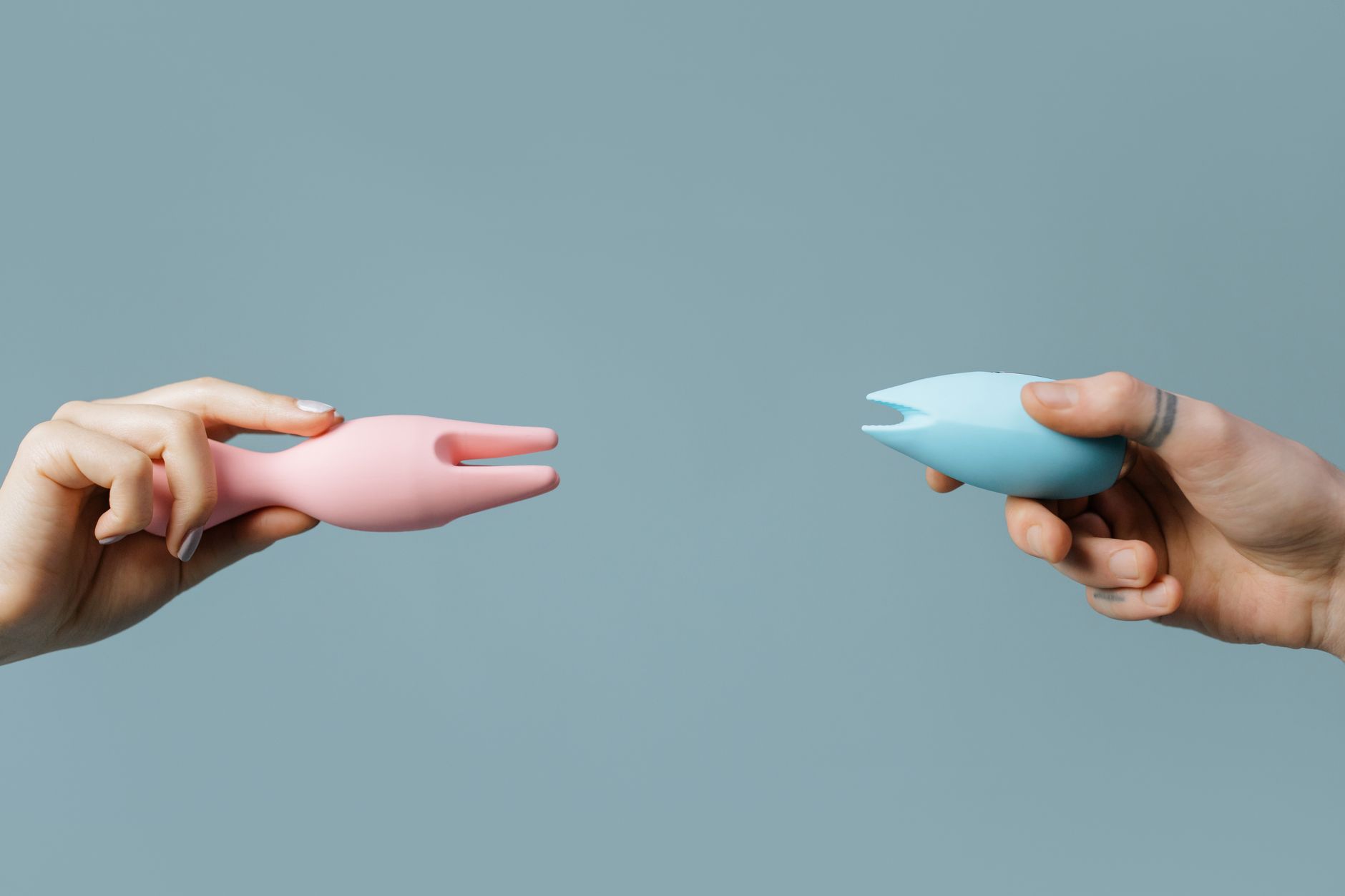
The Shift From Partner-Dependent to Self-Directed Pleasure
Here's the thing about transitioning from partnered sex to solo exploration: it's not just logistical. It's psychological. You've spent months or years calibrating your pleasure around someone else's rhythm, attention, and desire. Your body learned to respond to external stimulation. Now you're stepping back into your own space, your own hands, your own timeline. That can feel unfamiliar. It can feel isolating, or exhilarating, or both at once.
The good news is that your body hasn't forgotten how to experience pleasure independently. You're not broken or changed. You're just operating without an audience or a partner's energy in the room. Lemon vibrators, especially models like the Lem, become a bridge between those two states. They're not a replacement for partnership. They're a tool for remembering what you want when no one else is there to give it to you.
Why Solo Exploration Feels Different (and Why That's Okay)
When you shift to solo play, you lose something and gain something. You lose the spontaneity, the surprise, the shared vulnerability. You gain complete control over intensity, pace, timing, and context. That's actually huge. Most people discover that solo pleasure feels radically different because they're not managing anyone else's experience or expectations.
Your body's response changes too. Without a partner present, your nervous system operates differently. Your breathing, your pelvic floor tension, your mental focus. All of it shifts. Some people find that solo orgasms are actually more intense because there's zero performance pressure. Others find it takes longer to build arousal because the psychological turn-on of partnership isn't there. Both are normal.
Lemon vibrators help because they remove another layer of uncertainty: you know exactly what sensation you're getting. The intensity dial doesn't change unless you move it. There's no adjustment needed based on someone else's mood or skill. You're working with a consistent, predictable tool that responds to your body, not the other way around.
Starting Solo With the Right Mindset
Before you even pick up a lemon vibrator, the mindset piece matters. Solo pleasure isn't a second-choice activity you do when a partner isn't available. It's not a consolation prize. It's intimate time with the one person who will always be there: you.
Give yourself permission to approach this exploratively, not performatively. You're not trying to recreate partnered sex alone. You're discovering what you actually want when the only person you have to please is yourself. That's different.
Set aside time the same way you would for partnered intimacy. Not a rushed 10 minutes before bed after scrolling your phone. Real time. A locked door, a comfortable space, maybe music or low light. Your body needs the same psychological container whether someone else is in the room or not.
Why Lemon Vibrators Work for This Transition
Lemon vibrators are specifically designed for external clitoral stimulation, which means they're low-pressure for someone new to solo play. You're not navigating penetration, or figuring out where to position something complex, or wondering if you're using it wrong. The Lem or other lemon clitoral vibrators give direct, reliable sensation to the area most people can orgasm from most consistently.
This matters psychologically because it builds confidence quickly. When you get results (and you likely will), your brain registers that you know how to pleasure your own body. That's powerful. It rewires the neural pathway from "I need someone else to turn me on" to "I can turn myself on."
The suction mechanism also creates sensation that feels distinctly different from partnered touch. It's not mimicking a partner's hand or mouth. It's its own category of pleasure. That distinction actually helps some people compartmentalize solo play as a separate, valid experience rather than a pale copy of something with a partner.
The Practical Setup: Your First Solo Session
Start with the lowest intensity setting, even if you think you want to go harder. Your nervous system is used to partnered sex, which often includes warm-up time with a partner's hands, kissing, conversation. Solo play requires you to do all of that for yourself, which means building arousal takes a different kind of focus.
Begin 15-20 minutes before you actually use the lemon vibrator. Touch yourself the way you like to be touched. Notice what feels good. You're not rushing toward orgasm. You're gathering data about what your body wants in this new context.
When you introduce the Lem or another lemon clitoral vibrator, start with the lowest setting on the softest contact area of your clitoris. Let yourself feel it before you commit to a pattern. Your body might surprise you with how responsive it is when you're the one directing the show.
Managing the Mental Piece
Solo pleasure sometimes invites a lot of self-judgment. "Am I doing this right?" "How long is this supposed to take?" "Should I be finding this easier?" Here's what I know clinically: those thoughts are normal and they're also completely unhelpful.
If you notice your mind spiraling into critique, pause. Take a breath. Return to sensation. The only barometer for whether you're "doing it right" is whether it feels good to you. That's it. Not how long it lasts, not whether you orgasm, not how many times. Solo pleasure is radically simple once you remove the performance aspect.
Some people find it helpful to use lemon vibrators mindfully. That means staying present with the sensation, your breath, your body, rather than letting your mind wander to your to-do list or your phone. It's the difference between active solo play and passive stimulation. The former tends to build more arousal and satisfaction.
Rebuilding Confidence in Your Own Pleasure
If you're transitioning to solo play after a long partnership or after sex has been difficult or absent, you might notice some self-doubt. Your clitoris might take longer to wake up. Your orgasms might feel different. You might orgasm faster or slower than you expect. All of that is your body recalibrating, not a sign that something is wrong.
Lemon vibrators become a kind of reset button because they're neutral tools. They don't judge your response time. They don't expect anything from you. They just provide sensation, and your body responds however it responds. After a few sessions, most people notice their arousal building more quickly. Your body remembers its own capacity for pleasure. Sometimes it just needs a reminder.
If penetration was painful in a partnered context, solo external stimulation with a lemon clitoral vibrator can be genuinely liberating. You get pleasure without the discomfort. You also get to remember that your vulva is capable of feeling good. That matters more than you might think.
Integrating Solo Play Into a Larger Pleasure Practice
Solo exploration with lemon vibrators isn't just a stepping stone back to partnered sex, though it can be that. It's also a standalone practice worth maintaining. Here's why: when you know how to pleasure yourself reliably, you bring that knowledge and confidence into any partnership. You know what you like. You can communicate it. You can show a partner rather than hoping they guess.
Consider keeping solo play part of your regular ritual even if you're eventually partnered again. Weekly solo time builds self-awareness, keeps your nervous system calibrated for pleasure, and reminds you that your satisfaction is your responsibility first.
When to Lean on a Lemon Vibrator vs. Your Hands Alone
Your hands are always a valid tool. But lemon vibrators offer something different: consistency, intensity, and a specific type of sensation that hands can't replicate. Some people find that hands-only masturbation feels too emotionally loaded when they're transitioning from partnership. A vibrator creates a little bit of psychological distance while still delivering pleasure.
Others use hands for warm-up and touch exploration, then add a lemon vibrator once arousal is building. That works beautifully too. There's no rule. The point is that you have options, and you get to choose based on what your body and mind need in any given moment.
The Permission Piece
Maybe the most important thing I can tell you: you deserve solo pleasure. Not as a consolation prize. Not as a placeholder until you're partnered again. As a direct, valid expression of your sexuality. Your clitoris exists. It can experience pleasure. You deserve to know how to give it to yourself. Lemon vibrators are just tools that make that exploration easier, more consistent, and more satisfying. Use them without apology.
People Also Ask
How often should I use lemon vibrators when transitioning to solo play?
There's no magic number. Some people benefit from weekly solo exploration. Others prefer a few times a month. The real question is: how often do you want to experience pleasure? That's your answer. Consistency matters more than frequency. A weekly ritual you actually do beats a plan to have sex three times a week that never materializes. Start with once a week if you're uncertain, then adjust based on what feels good.
Will using a lemon vibrator make partnered sex feel less satisfying?
No. In fact, the opposite is usually true. When you know how to orgasm solo, you're less dependent on a partner for validation or satisfaction. That actually takes pressure off partnered sex and makes it better. You're not white-knuckling it waiting to orgasm. You already know you can. You're just enjoying connection and sensation.
I feel guilty about using lemon vibrators solo. Is that normal?
Yes, and it's worth examining where that guilt comes from. If you were taught that your pleasure should only exist in a partnered context, or that self-pleasure is shameful, that messaging lives in your nervous system. You're essentially rewriting that now. That takes time and repetition. Try this: every time guilt shows up, acknowledge it, then keep going. Your body will eventually learn that solo pleasure is safe and good.
How long does it usually take to orgasm with a lemon vibrator for the first time solo?
It varies wildly. Some people orgasm within 5-10 minutes. Others take 30-45 minutes their first time because their nervous system is learning something new. Neither is a problem. Longer doesn't mean something is wrong. It often means your body is being cautious because the context is unfamiliar. That settles down with time.
Can I use lemon vibrators with a partner later, or does solo use change anything?
Solo use doesn't change the vibrator or your body. It just means you've had time to learn what you like independently. That's actually a gift to a future partner because you can guide them. Using lemon vibrators together is absolutely possible. Some couples use them as a warm-up. Others incorporate them into shared play. Your solo experience informs what's possible later.
What if I don't orgasm with a lemon vibrator? Does that mean I'm broken?
No. Orgasm is not the only measure of good sex or good solo play. Pleasure exists on a spectrum. Some people experience deep arousal and satisfaction without reaching orgasm. Others are hard to reach their first few times because their body is still learning to feel safe in this new context. If you're not orgasming after several sessions and you want to be, that's worth exploring with a healthcare provider. But satisfaction without orgasm is completely normal and healthy.
Your Solo Pleasure Journey Starts Now
Transitioning from partnered sex to solo exploration isn't about replacing connection. It's about building confidence, reclaiming your pleasure, and learning what you actually want when the only person you have to satisfy is yourself. Lemon vibrators make that journey easier, more consistent, and genuinely enjoyable. You already have the capacity for pleasure. You're just stepping into the role of provider. That's powerful.