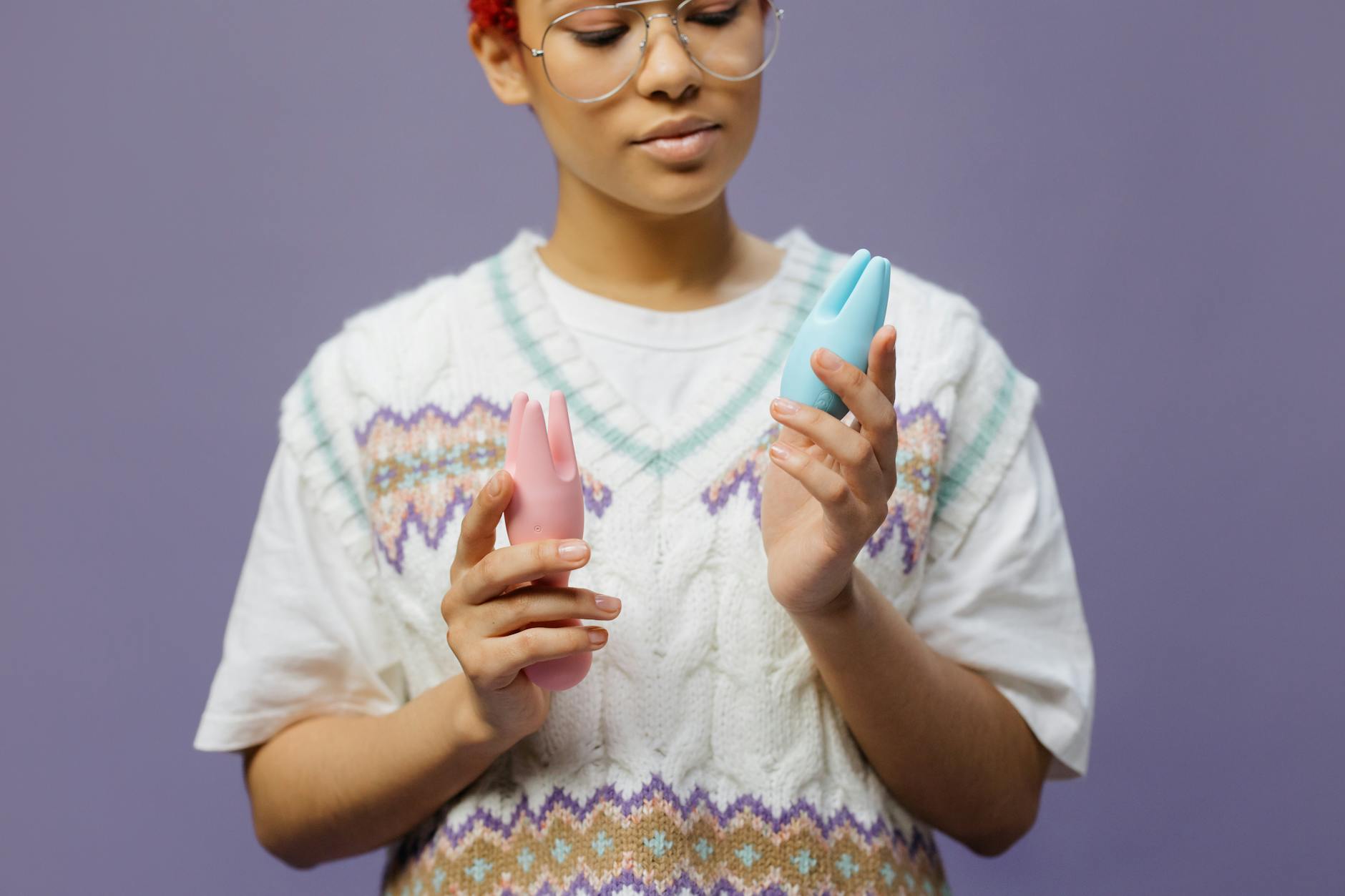
Let's name the thing nobody says out loud
You're supposed to know what you like by now. Or so it feels. Friends are casually mentioning orgasms, partners assume you have preferences, and somewhere between TikTok and therapy you've internalized the idea that everyone else figured this out already. Here's the truth: most people in their twenties haven't actually explored what feels good. They've just gotten better at pretending they have.
This is where lemon vibrators change the game. Not because they magically unlock pleasure (though many people find them incredibly effective), but because they create the space to actually pay attention to your body without an audience.
Why your twenties are actually the perfect time to start exploring
Three things are true at once: you're old enough to have autonomy, young enough to rewire patterns easily, and (hopefully) at a life stage where you can prioritize yourself without apologizing for it. That's a narrow window, and it matters.
When you explore pleasure solo, you remove the performance variable entirely. There's no one to impress, no rhythm to sync to, no "is this taking too long" anxiety creeping in. What you discover about yourself becomes pure data. What intensity works. What patterns build sensation. Whether you need slow buildup or sharp contrast. These answers are yours alone, and they're the foundation for everything that comes next, partnered or not.
Lemon vibrators are particularly useful here because the suction sensation is distinctive enough that you get real feedback from your body. You're not just hoping something feels good. You actually feel something happening.
The exploration protocol: how to actually pay attention
Set a block of time when you won't be interrupted. Thirty minutes minimum, but honestly an hour is ideal for your first few sessions. This isn't rushing through; this is deliberate curiosity.
Start without the vibrator. Spend five to ten minutes just noticing: How does your body respond to touch? Do you prefer light or firm pressure? Does speed or pattern matter more? What happens when you pay attention instead of zoning out? Most people skip this step because it feels awkward, which is exactly why it matters. Your baseline sensitivity is important data.
Then introduce the lemon vibrator. Start at the lowest setting. Press gently and notice what happens. Does it feel overwhelming? Underwhelming? Scattered or focused? Move it slightly if you want. Change the pressure. Try a different pattern. There's no right answer here. You're mapping your own geography.
What you're looking for isn't necessarily an orgasm (though that's fine if it happens). You're looking for sensations that make you want more. Intensity that feels good rather than too much. A rhythm that pulls your attention in instead of pushing it away. Write down what you notice. Sounds silly, but pattern recognition is hard when you're new to paying attention to yourself.
The comparison trap and why it ruins everything
Here's what I see in my office all the time: someone in their twenties comparing their pleasure timeline to porn, to a friend's story, to what they read on the internet. And suddenly their body feels wrong for not matching someone else's script.
Your arousal curve isn't wrong if it's different from what you expected. Orgasms aren't the only measure of good sex. Sensation without climax still counts. Climax without much buildup still counts. The goal is learning what your body actually does, not forcing it to match a template.
Lemon vibrators are useful here because they're distinctly different from partnered sex or penetration. You can't accidentally compare them to another person's experience. The sensation is its own thing. That specificity is freeing.
Building a practice, not a performance
Consistency matters more than intensity. If you explore your pleasure once a month when you remember, you won't learn much. But if you spend twenty minutes a few times a week paying genuine attention, patterns emerge quickly. You start knowing what you want before you even start.
That knowledge is powerful when you're with a partner eventually. You can ask for what you like instead of hoping they guess. You're not figuring out your body during sex. You already know the map.
And here's the thing about your twenties: these discoveries stick. Your nervous system learns. Your body builds responsive patterns. The confidence you develop about your own pleasure translates into confidence in other areas of your life. It's not dramatic, but it's real.
What to actually expect your first few times
It might not feel amazing immediately. Your pelvic floor might tense up. You might get distracted or feel self-conscious. You might feel nothing, or everything, or a weird numbness that resolves after a minute. All of that is normal. Your nervous system is learning, and learning takes repetition.
After about four or five sessions with a lemon vibrator, most people start feeling real changes. Sensation gets clearer. Arousal builds faster. You understand what your body actually likes. And that understanding compounds over time.
Don't expect lightning-bolt orgasms right away. But do expect to learn things about yourself that matter. That's the real win in your twenties.
When to involve a partner (and how)
You don't have to. Solo exploration is complete in itself. But if you're with someone or thinking about being with someone, what you learn about yourself becomes the strongest foundation for partnered sex.
You can introduce a lemon vibrator with a partner once you're comfortable using it alone. You know what you like, so you can show them. You're not discovering and performing simultaneously, which takes off enormous pressure.
Or keep it solo. Plenty of people do. The point is that the knowledge you build about your own pleasure belongs to you, regardless of whether anyone else is in the picture.
The mental side: permission and patience
Your twenties are when you're still absorbing messages about what you "should" want, what's "normal," what's "too much." A lot of that noise comes from culture, from partners, from family systems that taught you certain things about your body.
Using a lemon vibrator is partly physical exploration, partly deprogramming. You're checking in with your actual body instead of the body you think you should have. That takes patience with yourself. Some sessions will feel incredible. Some will feel fine. Some will feel like nothing's happening. That's the whole spectrum. It all counts.
What I tell my clients in their twenties: pleasure is a skill. Right now, you're building the foundation. This is your window to learn about yourself without as many external pressures. Use it.
FAQs
How often should I use a lemon vibrator when I'm first exploring?
Two to four times per week is ideal for learning. More frequent than that and you might numb sensation; less frequent and you don't build consistent awareness. Think of it like learning an instrument. Daily doesn't necessarily mean faster progress. Consistent, attentive practice does.
Will using a lemon vibrator make me unable to feel pleasure without it?
No. Lemon vibrators are a tool, not a crutch. People who explore with vibrators and then practice sensation without them develop broader pleasure capacity, not narrower. The key is varying your exploration. Some sessions with the vibrator, some without. Some slow, some faster. That variation teaches your nervous system flexibility.
What if I use a lemon vibrator and nothing happens?
Nothing is different from numbness. Nothing often means you need longer warm-up time, more mental relaxation, or a shift in what you're focusing on. Try extending your session by ten minutes. Try using it differently. Try a different day when you're less stressed. If multiple sessions over a few weeks yield nothing, check in with yourself about whether mental blocks are present (anxiety, shame, distraction). Those are worth exploring with a therapist before concluding your body doesn't respond.
Is it normal to feel awkward using a lemon vibrator alone in your twenties?
Completely. You've probably absorbed the idea that pleasure is something that happens with someone else, or at least shouldn't happen alone. Reframing solo exploration as self-care rather than loneliness helps. This is you learning about you. That's valuable research.
Should I tell partners about using lemon vibrators?
It's your choice. Some people share because it builds intimacy and communication. Others keep it separate. What matters is that you're not hiding it because of shame. There's a difference between privacy and secrecy. Privacy is healthy. Secrecy usually means you've internalized judgment that isn't actually yours.
How does using lemon vibrators in my twenties change sex with a partner later?
You become clearer about what you like. You're less likely to fake pleasure or go along with things that don't work for you. You can ask for what you want. You're also less likely to put all responsibility for your pleasure on your partner. That's huge. The biggest sexual problems I see are rooted in one person expecting the other to magically know what they like, when they haven't figured it out themselves.
Your twenties are the time to build a relationship with your own pleasure that's based on curiosity, not performance. That foundation lasts decades. Lemon vibrators are just the tool that makes the exploration feel good along the way. Start there, and everything else follows.