Let's be honest about pleasure after loss
Depression and grief kill desire. Not because you're broken, but because your nervous system is doing exactly what it's supposed to do. When you're grieving a person, a phase of life, or your own sense of safety, your body prioritizes survival over sensation. Pleasure gets shelved. Sometimes for weeks. Sometimes for months.
What nobody tells you is that reawakening pleasure after depression or grief isn't the same as discovering it fresh. There's guilt tangled in there. There's the weird feeling that wanting pleasure means you've betrayed whoever or whatever you lost. And there's the physiological reality that your body has basically forgotten how to receive sensation as a good thing.
I've worked with dozens of people through this exact passage. The ones who recover best aren't the ones who force themselves back into their old patterns. They're the ones who approach pleasure like they're learning it again, with kindness instead of pressure.
Why pleasure disappears, and what that actually means
When you're depressed or grieving, your brain reduces dopamine production. This isn't poetic or metaphorical. It's measurable. Your reward system literally stops lighting up the way it used to. Touch that used to feel good feels like nothing. Orgasms that were straightforward become impossible or deeply muted. Your libido doesn't just decrease. It sometimes vanishes entirely.
This happens because grief and depression activate your parasympathetic nervous system's shutdown response. Your body is conserving energy for survival. Sexual desire is a luxury signal, and your brain isn't registering luxury right now.
The other layer is emotional. Desire requires a baseline sense of safety and okayness. When you're grieving, nothing feels okay. The thought of pleasure can trigger guilt ("how dare I feel good"), shame ("shouldn't I be suffering more?"), or numbness ("why bother, nothing matters anyway"). These aren't character flaws. They're trauma responses.
Here's the crucial part: pleasure doesn't stay gone. It returns. But you have to meet it halfway.
Why gentle tools matter more than intensity
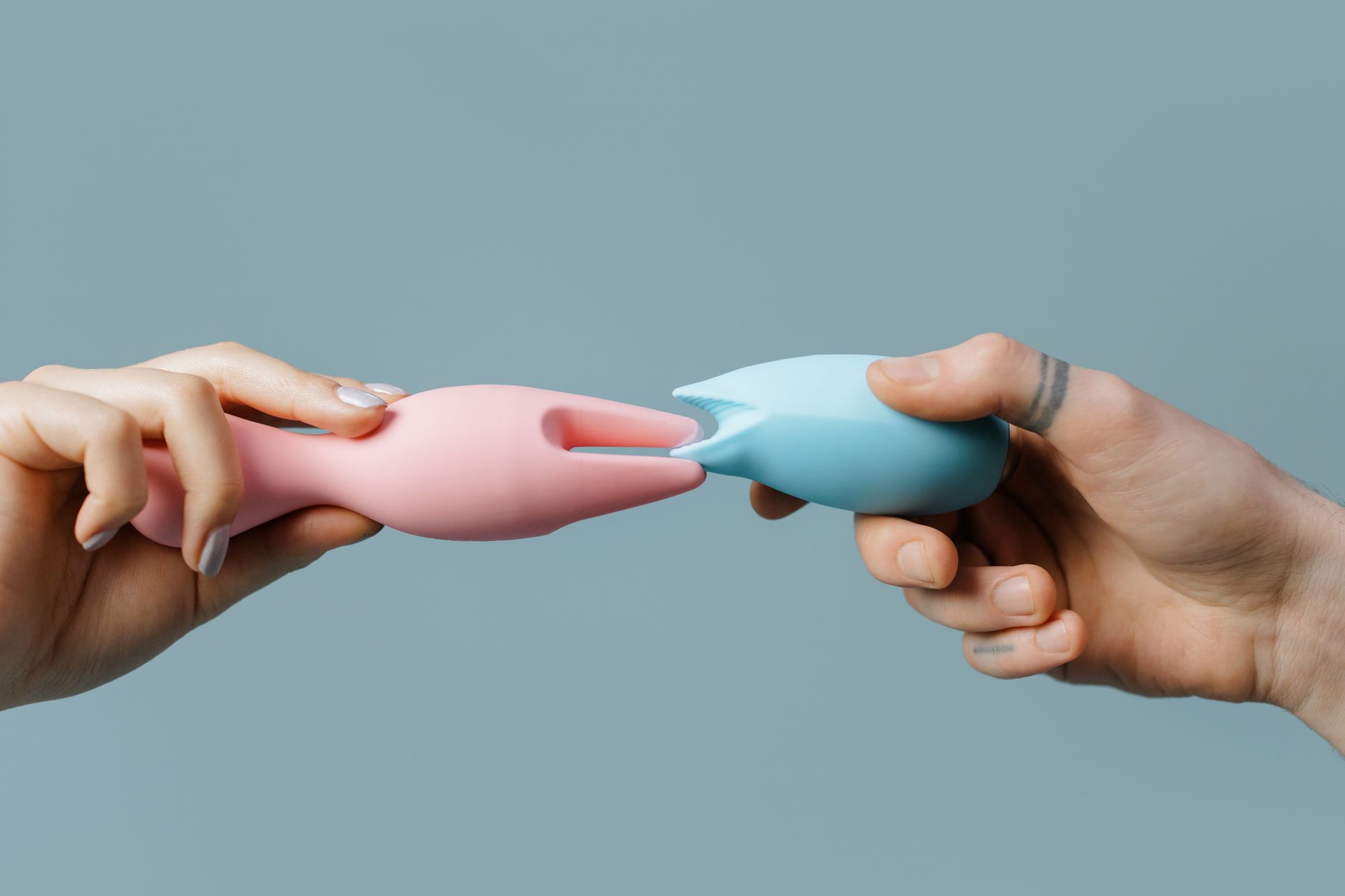
After depression or grief, your body doesn't need more stimulation. It needs permission to feel anything at all. Lemon vibrators, with their precision suction design, are radically different from traditional vibrators in this context. They don't demand quick arousal. They invite it.
A standard vibrator can feel intrusive when you're fragile. You're already numb. Adding aggressive buzz can feel like an assault on tissue that's already shutdown. Lemon vibrators work through gentle suction and pulse rather than rapid vibration. That difference is enormous.
When you're recovering, suction feels like coaxing. Vibration feels like insisting.
How to actually start again
Three things come first, before you ever touch a toy.
One: permission in writing. I'm not kidding. Write down: "My pleasure matters. Wanting to feel good doesn't mean I've forgotten or betrayed anyone. My body deserves gentleness." Read it when guilt shows up, which it will.
Two: a body scan without touch. Lie down with no agenda. Spend five minutes noticing where you do feel something. Not sexual feeling necessarily. Just sensation. Temperature, pressure, textures. Notice your breath. Notice what parts of your body feel most alive. This rewires the idea that your body can feel without it being sexual or urgent.
Three: touch from yourself that serves no purpose except presence. Hold your hand on your chest. Stroke your forearm. Feel your own texture. Do this several times before you ever introduce a toy. This tells your nervous system that touch is safe again, even small touch, even solo.
Using a lemon vibrator as a gentle reentry
When you're ready, here's what I recommend:
Start with the lowest setting. Not because you'll graduate to higher settings eventually, but because low might be the only setting that doesn't trigger your nervous system's protective shutdown. Listen to what your body needs. If pattern one on a lemon vibrator feels like too much, try just holding it against your outer labia without turning it on. Let your body get used to the presence.
Build the session around comfort, not climax. Spend fifteen minutes in a space where you feel safe. Dim lights. Whatever helps you feel grounded. Touch yourself non-genitally first. Feel your own skin. Then introduce the lemon vibrator, but don't expect an orgasm. Expect presence. If an orgasm happens, great. If it doesn't, that's also fine. You're teaching your nervous system that sensation is safe, not that you have to perform climax.
Notice the difference between numbness and gentleness. Numbness is absence. It's a void. Gentleness is presence with minimal force. If what you're feeling is genuinely nothing, that's okay. Your body might need more time. If what you're feeling is a very subtle tingle or heat, that's the beginning. That's your nervous system starting to believe that sensation can coexist with safety.
Stop if anything feels like obligation. If you find yourself using a lemon vibrator because you think you should be "back to normal" by now, stop. Put it down. This isn't about timelines. Pleasure after depression isn't about getting efficient at orgasms. It's about learning to want something again at all.
The emotional part is bigger than the physical part
Here's what surprises most people: the physical reawakening is actually the easier part. Your body knows what to do eventually. The harder part is untangling the emotions layered on top of pleasure. The guilt. The shame. The fear that wanting pleasure means you're done grieving.
You're not done grieving. And you can still want pleasure. These two things coexist.
If you're recovering from a loss and rebuilding solo pleasure, therapy genuinely helps. A therapist can help you separate "I want to feel good" from "I'm betraying the person I lost" or "I should be sadder." Both of these are lies your brain tells you when it's processing trauma. A good therapist helps you see them for what they are.
If you're partnered, the conversation matters too. "I'm rebuilding my sense of pleasure because depression made it disappear, not because something is wrong with us" is a completely different conversation than avoiding your partner or saying nothing. Let them in, even if it's awkward. Especially if it's awkward.
When progress isn't linear
Some days you'll touch yourself and feel absolutely nothing. Some days you'll feel a flutter of actual desire, and it'll shock you. Both are normal. Grief and depression recovery have no straight line. Your nervous system is learning to trust good feeling again. That's not fast. It's also not permanent backward movement when you hit a numb day.
I recommend using a lemon vibrator maybe once or twice a week when you're in early recovery. Not because you should be "getting back to normal," but because consistent, gentle touch teaches your nervous system that sensation is safe and available. Consistency matters more than intensity. A few minutes of suction once a week matters more than an ambitious solo session that leaves you feeling worse.
If you're struggling to feel even baseline pleasure after several months of recovery, tell your doctor. Sometimes antidepressants affect libido, and that's a real thing worth addressing with your prescriber. Sometimes your nervous system needs a different kind of support. That's not failure. That's information.
FAQs
Is it normal to feel guilt when pleasure returns after grief?
Completely normal. Your brain is protecting you by making pleasure feel wrong. It's a trauma response, not a moral statement. The guilt usually eases as you retrain your nervous system to believe that feeling good doesn't erase your loss or mean you didn't care enough. Writing down your permission statement and returning to it when guilt shows up helps rewire this.
Can lemon vibrators help if I'm still actively depressed and not in recovery yet?
Not really. If you're actively in depression, pleasure pathways are still shutdown. A lemon vibrator won't hurt, but it also won't help much until your depression has started to lift, either through medication, therapy, time, or some combination. If you're in acute depression, reaching out to your doctor or a mental health professional matters more than attempting pleasure work.
How long does it usually take for desire to come back after grief?
It varies wildly. Some people experience a return of baseline interest within weeks. Others take six months or longer. Your history with pleasure, the intensity of the grief, your support system, and whether you're in therapy all affect the timeline. There's no "normal" timeline. Your timeline is your timeline.
Should I use lemon vibrators solo or wait until my partner wants to engage?
Start solo. Rebuilding your own sense of sensation matters more than performance with a partner. Once you've reawakened your own body's signals through <a href="/blog/how-to-use-lemon-vibrators-when-youre-exploring-solo-pleasure-for-the-first-time">solo exploration with lemon vibrators</a>, you can slowly bring your partner in if that feels right. You're not obligated to share the experience, ever.
What if I'm also dealing with anxiety about returning to physical intimacy?
<a href="/blog/how-to-use-lemon-vibrators-when-you-have-anxiety-during-sex">Anxiety during sexual situations</a> is common after depression and grief. A lemon vibrator can help because suction is gentler than vibration, which means your nervous system might feel less activated. But pairing tool use with anxiety management (breathing work, grounding exercises, maybe therapy) helps more than the tool alone.
Can my partner help me rebuild pleasure using a lemon vibrator?
Yes, but only if you want that. Some people find partner involvement healing. Others need solo recovery first and then bring their partner in. There's no "should" here. If your partner wants to participate, you might try them starting with non-toy touch, then introducing a lemon vibrator when you're ready. Communication about what feels safe matters infinitely more than what tool you're using.
Is there a difference between using lemon clitoral vibrators and other toys during grief recovery?
Lemon vibrators are gentler than traditional vibrators because of the suction design. That matters when you're fragile. You might also find that <a href="/blog/how-lemon-vibrators-compare-to-traditional-vibrators-and-suction-toys">suction toys versus traditional vibrators</a> trigger different nervous system responses. Experiment and pay attention to what your body actually responds to, not what you think you should want.
Coming back to yourself takes time
Pleasure after depression or grief isn't about rushing back to where you were. It's about learning that your body can feel good again without that erasing your loss or your love. A lemon vibrator is just a tool for that relearning. The real work is the permission you give yourself, the gentleness you practice, and the belief that you deserve to want something again.
Your pleasure matters. Not despite your grief. Alongside it. If you're struggling with the emotional side of recovery, reaching out to a therapist who specializes in grief or trauma can help more than any tool. And if you want to talk through how to navigate this with a partner or need practical support, that's what <a href="/contact">we're here for</a>.
You're not broken. You're rebuilding. That's the slowest, most honest kind of healing.