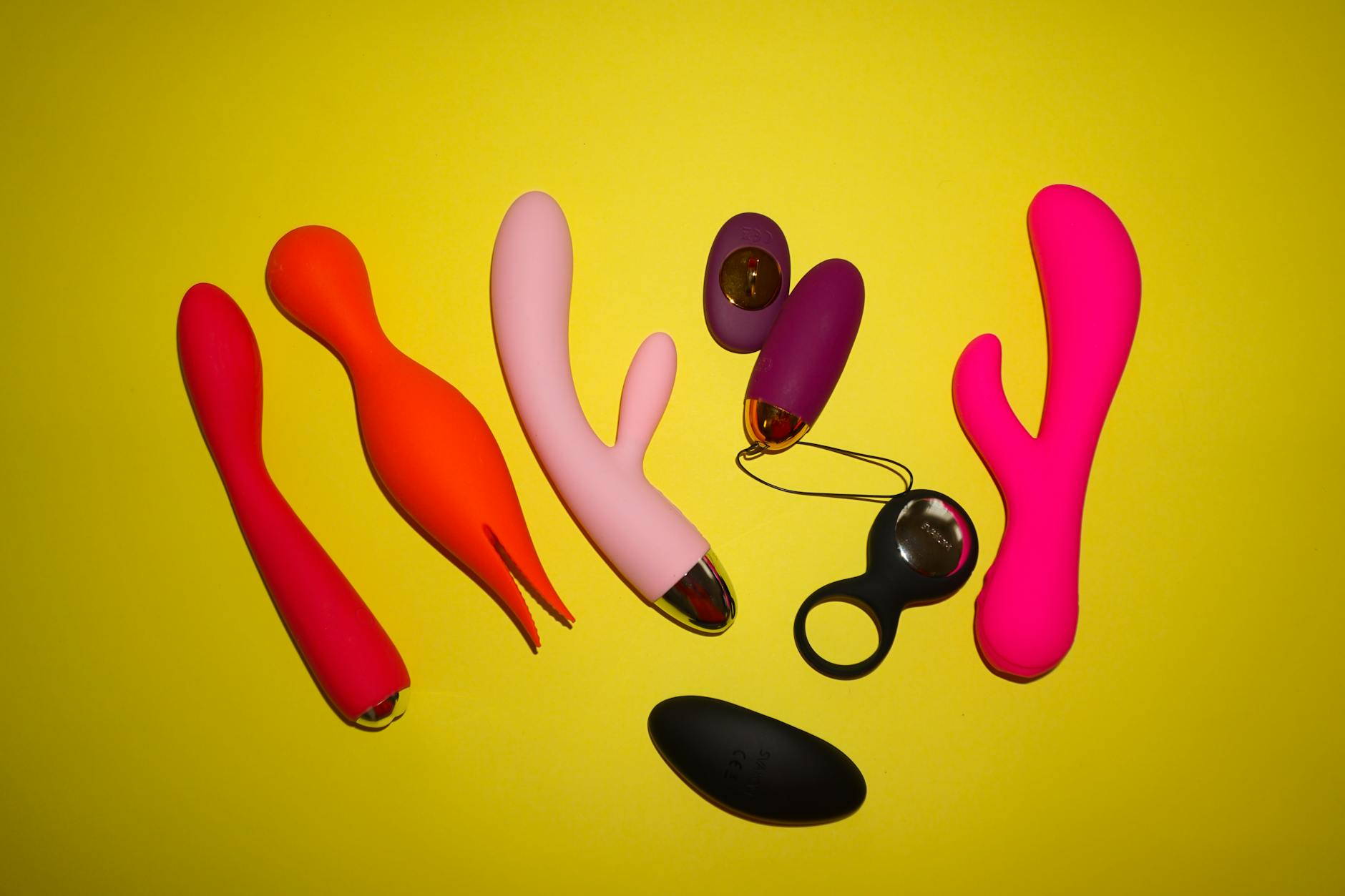
Let's be real about what birth control actually does to desire
Hormonal birth control works because it changes your hormones. That's the feature. But the side effect nobody adequately warns you about is that it changes your desire, sensation, and ability to orgasm for the entire time you're taking it. Some people don't notice. Many do. And when you come off it, expecting your libido to snap back like a rubber band? It doesn't always work that way.
Your body spent months or years on synthetic hormones. Getting reacquainted with your own hormone cycle takes time. During that gap, pleasure can feel distant, numb, or just unavailable. That's not broken. That's normal. And lemon vibrators can help bridge that transition better than almost any other tool.
How hormonal birth control suppresses pleasure (the actual mechanism)
Hormonal contraceptives lower testosterone, the hormone responsible for desire in all bodies with ovaries. They also reduce dopamine and can blunt the neural firing patterns that create arousal and sensation. Meanwhile, they often increase estrogen metabolites that contribute to vaginal dryness and reduced clitoral sensitivity.
The result: you want sex less, feel it less, and orgasm either takes forever or doesn't arrive at all. For some people, this stabilizes after a few months. For others, it persists for years. And when you finally stop taking the pill, patch, or implant, your body doesn't immediately reboot. Hormones are slow. They have to recalibrate.
The window when lemon vibrators become essential
There's a specific 3 to 6 month window after stopping hormonal contraception when sensation is lowest but neurologically recoverable. Your testosterone is building back. Your dopamine is rebalancing. Your clitoral tissue is rewaking. But you might not feel it happening yet.
This is where most people make a mistake: they wait for desire to return before exploring pleasure. It doesn't work that way. Sensation and desire feed each other. If you wait passively, the reconnection takes longer. If you actively explore, you can speed it up significantly.
Lemon clitoral vibrators work here because they bypass the "waiting for desire" trap entirely. They don't require you to feel horny first. They stimulate the nerve endings and create sensation regardless of your current motivation. That stimulation then signals your brain to release dopamine, which increases desire, which makes future exploration feel more natural.
Why lemon vibrators specifically help during this transition
Three reasons lemon sexual toys beat other tools during hormonal recalibration.
First, they work on sensation your brain isn't generating yet. Manual masturbation requires arousal to feel good. A clitoral vibrator like a lemon creates vibration-induced sensation independent of your current arousal level. You don't have to feel turned on to feel the stimulation. That's the key difference.
Second, the suction technology increases blood flow without demanding friction. When your clitoral tissue is sensitive and possibly still slightly atrophied from hormone suppression, direct mechanical friction can feel uncomfortable. Suction-based stimulation draws blood to the area, increases nerve sensitivity, and builds arousal without the same harsh pressure. It's gentler on tissue that's still reawakening.
Third, vibration recalibrates your neural pathways. After months on birth control, your brain literally rewired some pleasure circuits into lower activity. Vibration acts as a "wake up" signal, retraining those pathways. Regular use over 4 to 8 weeks creates measurable changes in clitoral sensation and orgasm response.
The practical protocol for using lemon vibrators post-contraception
Start with patience, not pressure.
Week one through two: exploration without expectation. Use your lemon vibrator on the lowest setting for 5 to 10 minutes, 3 to 4 times per week. Don't chase orgasm. Your job is to notice sensation, not achieve an outcome. Many people report feeling tingling or increased blood flow even without orgasm. That's the rewiring beginning.
Week three through six: building duration. Increase to 10 to 20 minute sessions. You can shift to slightly higher settings now, but stay below what feels intense. If you orgasm, great. If you don't, that's also fine. The goal is familiarizing your nervous system with pleasure stimulus.
Week seven onward: expanding range. Now you can experiment with different patterns, pressures, and durations. Some people find that mixing settings (low for 5 minutes, then medium for 10, then back to low) creates more intense responses than staying on one setting. Others need consistency. You're learning your body's new preferences.
Managing unrealistic expectations (the mental piece)
Here's what usually trips people up during this phase: they expect their old response patterns to return. They don't. After hormonal shifts, your pleasure baseline changes. What used to feel incredible might feel okay now. What never worked might suddenly be your go-to. This isn't backwards. It's just different.
Many people also expect recovery to be linear. It isn't. Some days you'll feel sensation clearly. Other days you won't. Your cycle is coming back online, and cycles are, by definition, fluctuating. Tracking when sensation feels strongest can actually help (usually it's stronger right before ovulation, if you're cycling). Knowing this removes the shame of "why does it work sometimes and not others."
When to integrate a partner (if you want to)
If you're in a relationship, the temptation is to let your partner help during this phase. That can work, but only if you've done solo exploration first. Why? Because you need to know what your body currently feels and wants before adding another person's expectations into the mix.
When you do bring a partner in, the conversation is worth having explicitly: "I'm recovering sensation after stopping birth control. I'm using tools to help with that. I'd love your patience and curiosity, not pressure or performance focus." That reframes the entire dynamic from "why is my partner taking longer" to "let's explore this together."
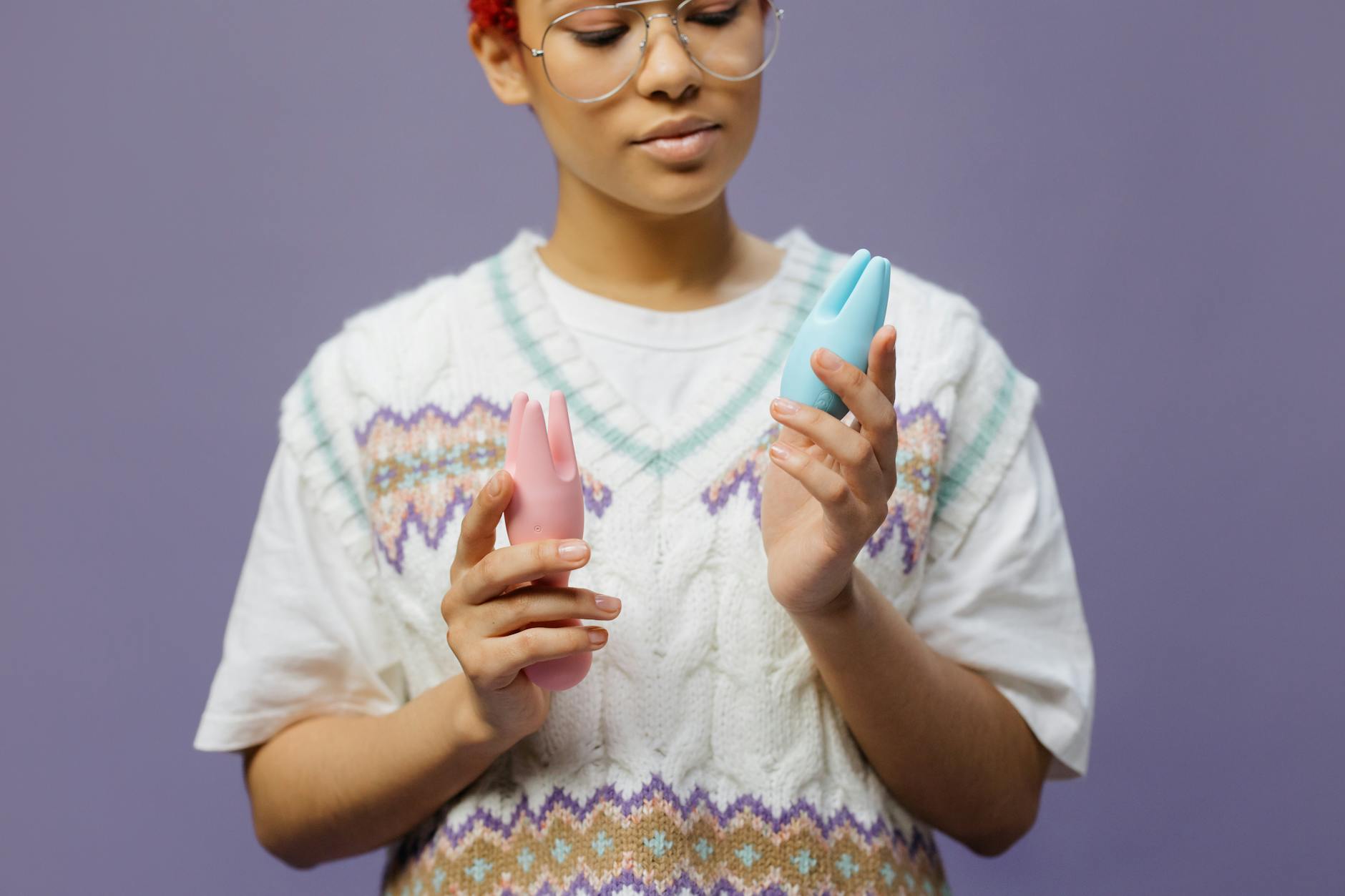
Photo by cottonbro studio on Pexels
Timeline: when to expect real shifts
Most people report noticeable changes by week 6 to 8 of consistent lemon vibrator use. That's when dopamine recalibration usually kicks in and pleasure starts feeling less like work and more like, well, pleasure.
Full restoration of pre-contraception sensation typically takes 3 to 12 months depending on how long you were on hormones and your individual biology. That's frustratingly long, but knowing the timeline prevents you from interpreting normal recovery as permanent damage.
Some people discover their pleasure is actually better post-contraception because they're more intentional about it now. You're not experiencing pleasure as something that just happens to you during sex. You're actively cultivating it. That shift has its own rewards.
Troubleshooting: what if nothing feels good yet
If you're 8 to 10 weeks into consistent lemon vibrator use and sensation still feels absent or numb, a few things to check.
First, are you using enough setting? Some people stay on setting 1 indefinitely because they assume higher intensity will feel worse. Try gradually testing setting 3 or 4 for just 30 seconds. Sometimes a stronger signal is what your nervous system needs to wake up.
Second, is there psychological resistance? Birth control often correlates with reduced sexual shame, which is a feature. Coming off it sometimes brings guilt or anxiety back. That genuinely deadens sensation. If you notice thoughts like "I shouldn't want this" or "what if someone finds out," those are worth untangling before blaming your nervous system.
Third, are your hormones actually rebalancing? If it's been 6 months off hormonal contraception and sensation still feels completely flat, it's worth checking in with a provider. Thyroid issues, vitamin deficiencies, or underlying depression can all suppress sensation independently of birth control recovery.
The bigger picture: pleasure as a health signal
One thing I often tell people recovering pleasure after hormonal contraception is this: sensation returning isn't just nice. It's a sign your body is healing. Pleasure is a health indicator, not a luxury. When your nervous system can feel vibration, that's evidence your dopamine is recovering. When orgasm becomes possible again, that's evidence your hormones are rebalancing.
Using lemon vibrators during this transition isn't self-indulgent. It's active care. You're signaling to your body that pleasure matters. You're creating new neural pathways. You're reclaiming something that was temporarily suppressed. That takes intention. And it's completely worth it.
Frequently asked questions
How long after stopping birth control should I wait before using vibrators?
You can start immediately. In fact, starting sooner rather than later helps accelerate the reconnection process. Your nervous system doesn't benefit from waiting. There's no "recovery period" where you need to abstain. Begin as soon as you feel emotionally ready.
Will using a lemon vibrator too much delay my natural desire from returning?
No. The opposite is true. Using vibrators during the early recovery phase actually accelerates natural desire returning because you're creating positive neural associations with pleasure. Your brain learns that pleasure is available and safe, which increases dopamine baseline. This makes spontaneous desire more likely, not less.
Can I use lemon vibrators while still on hormonal birth control if I want to feel more sensation?
Yes, and many people do. Vibration can help with sensation even when your hormones are suppressed. It won't fully bypass the dopamine or testosterone suppression from contraception, but it can help you feel something when the baseline is quite low. Just note that the reconnection effect happens faster after you stop the contraceptive.
What if my partner got me the vibrator and I'm not sure I want to use it?
Use it or don't. There's no obligation. That said, many people find that exploring solo first, without partner involvement, creates more genuine pleasure because there's no performance pressure. If you eventually want to use it together, you can always revisit that conversation later. Your comfort matters more than their gift.
Do I need to use lemon vibrators forever or is this a temporary tool?
Temporary. They're a bridge. Most people find that after 3 to 6 months of consistent use, sensation restabilizes enough that they can engage with pleasure in ways that feel sustainable long-term. Some people keep using vibrators indefinitely because they like them. Others move toward different approaches. Both are fine.
Is it normal that orgasm still feels weaker after stopping birth control, even with a lemon vibrator?
Completely normal. Orgasm intensity often takes longer to recover than orgasm frequency. You might be able to orgasm before the sensations feel intense. This continues improving for months. Patience and consistency are your best tools here.