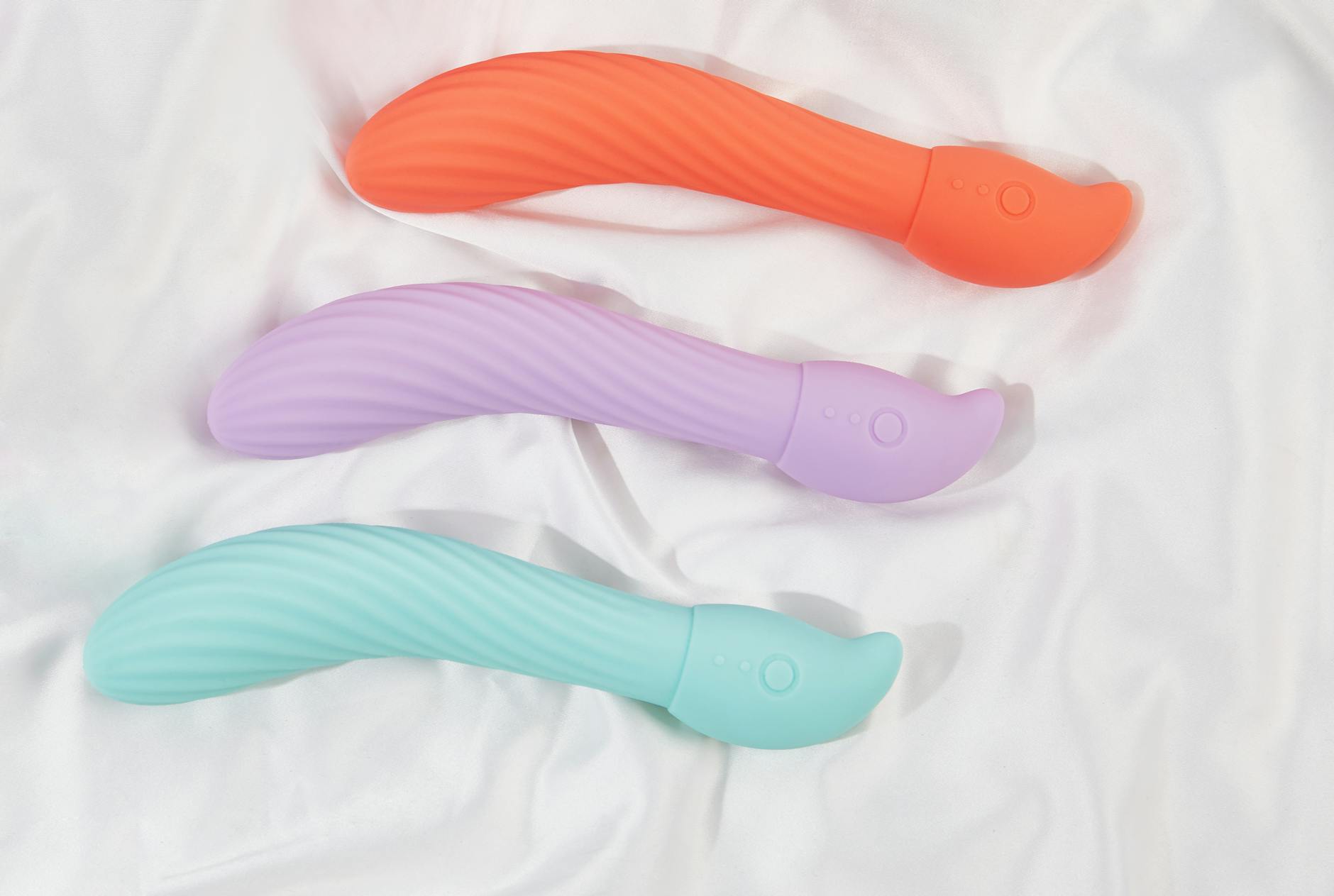
The thing about bringing a toy into a new relationship
Let's be real. You're probably overthinking this. Your new partner might be thrilled, curious, or they might need five minutes to adjust their mental picture of what's about to happen. That's all normal. The difference between "awkward" and "actually hot" isn't the toy itself—it's how you frame it.
I've worked with hundreds of couples navigating this exact moment. The ones who made it feel natural had one thing in common: they didn't treat the toy like a shameful secret or a repair kit for the relationship. They treated it like what it actually is—a tool for pleasure that happens to work really well for bodies with clits.
When to bring it up (spoiler: not during sex)
This is the part most people get wrong. You don't spring a vibrator during foreplay and hope they roll with it. That creates pressure, confusion, and a weird dynamic where someone feels like they're watching you discover yourself mid-scene.
Instead, have the conversation when you're both clothed, fed, and not about to have sex. Maybe it's over coffee. Maybe it's the night before. The timing matters less than the fact that you're giving them space to process without performance pressure.
Here's a way to start that doesn't require a five-minute preamble: "I've been using lemon clitoral vibrators for a while, and they feel amazing. I'd love to explore that with you. Would you be into that?" That's it. Three sentences. You're naming the object, being honest about why it matters to you, and asking for consent.
Notice what's missing? Apology. Justification. "But only if you're comfortable" (they know). "I know this might be weird" (you're priming them to feel weird). Just state the fact and ask.
Reading their response
If they light up immediately, great. You're going to have fun.
If they pause, ask a question. "Have you used toys before?" or "What are you thinking?" gives them room to say what they actually mean instead of what they think you want to hear. Common answers: "I don't know how that works," "Will it feel weird?", "Do you not like what I do?" (this one almost always means they're worried, not asking)
For "I've never done that," you get to explain it simply. A lemon clitoral vibrator uses gentle suction and pulsing rather than vibration—it feels different, more concentrated, and works quickly for a lot of people. Then ask: "Want to try it?"
For "Will it feel weird?" the answer is honest. It won't feel weird because they're going to watch you use it first, enjoy yourself, and then you'll figure out what comes next together. Seeing a partner lose themselves in pleasure is not weird. It's magnetic.
If they're hesitant or say no, don't push. You've been clear about what you want. Sometimes people need time. Sometimes they adjust their answer after thinking about it. Sometimes they stay no, and that's information you get to work with.
The setup conversation
Once they've said yes or "let's try," get practical. This kills the nervous energy and makes it feel less like a big deal.
"I use lube with it because it works better." (You're naming what works, not implying they don't turn you on.)
"It charges via USB and takes about an hour." (Practical.)
"I usually start on a lower setting and turn it up depending on what feels good." (You're in control.)
"Want to watch first, or jump in together?" (You're giving them an out that doesn't feel like rejection.)
Honestly? The fact that you're explaining how it works is sexy to most partners. It shows you know your own body and you're not embarrassed about it. Confidence is the whole play.
The actual moment
Don't make it ceremonial. It's not a first kiss. It's pleasure with a tool that works. Set up in whatever position feels natural for you and them—could be side by side, could be them watching, could be during partnered sex.
Start slower than you might alone. You're managing two nervous systems now, and your brain will register their presence. That's okay. It might even feel better because they're there and they're choosing to be.
If they want to help—hold the toy, control it, apply lube—let them. This transforms it from "you're watching me use a toy" into "we're doing this together." That shift changes everything.
If they want to sit with it and let you do your thing, that's fine too. Some partners get off on watching. Some are still adjusting and need time to just observe and get comfortable.
After the first time
Don't disappear into your own pleasure and then suddenly remember they're there. Check in. "That felt amazing. What did you think?" If they seemed into it, great. If they seemed uncertain, give them space to say so.
You might hear: "That was hot, can we do that again?" (They're in.) "I wasn't sure, can we talk about it?" (You get to have a real conversation.) "I think I'd rather it be just us for now." (Information you work with.)
Here's what I want you to know: a partner who's secure won't feel threatened by the fact that you know how to pleasure yourself or that a tool helps you get there. A partner who's insecure might need a conversation about what that means to them. That's separate from whether the toy stays in your sex life.
Likewise, you introducing your own pleasure doesn't diminish theirs. It actually expands the options for both of you. When you know what feels good, you can guide a partner toward it.
Common worries (and what's actually true)
"They'll think I'm not satisfied with them." A lemon clitoral vibrator feels different because suction and focused pulsing activate nerves in a specific pattern. Using it doesn't mean their fingers or their mouth feel bad. It means you enjoy variety, like everyone else.
"They'll be insulted I want to introduce toys now." Only if you frame it as a criticism. "I want us to explore this together" is different from "I need something you're not giving me." The first is about expansion. The second is about lack.
"It'll ruin the spontaneity." The first time has a conversation. After that? You can keep lemon vibrators in a drawer and grab them when you feel like it, same as you would with any partner. Spontaneity returns.
"They'll think I'm weird or too sexual." A partner worth having gets that people who know their own pleasure are usually better at partnered sex. You're not weird. You're informed.
The follow-up
If it goes well, you might want to circle back a week later (not immediately, give the newness a chance to settle). "I loved exploring that with you. Want to keep going with it, or try something else?" This keeps the door open without making it the only way you have sex.
You might also explore how lemon vibrators work in different contexts with this partner—during foreplay, as part of a longer session, solo while they watch, combined with other forms of stimulation.
The beauty of a clitoral vibrator is flexibility. It's not a substitute for partnered sex. It's an option. Once that's clear, you both get to decide how often it's part of your intimacy.
What helps most
The couples I've worked with who navigated this smoothly had one thing in common beyond the conversation itself: they didn't overthink it. They talked about it, tried it, checked in, and moved forward.
You're not introducing something that will break the relationship. You're adding a dimension to intimacy. That's the mindset that makes it feel like growth instead of crisis.
FAQ
What if my new partner has never used toys before?
Start with what you already know. "I've used these, and I love how they feel. I want to share that with you." You're not asking them to have experience. You're offering to show them what you enjoy. If they want to touch it, ask questions, or just watch, all of that is fine. Some people are curious right away. Others warm up over time.
Should I have them use it on me, or should I use it myself?
Both are options. The first time, you might use it yourself while they're present. That removes pressure from them to "perform correctly" and lets them see what you enjoy. Later, if they want to hold it or control the intensity, that's a different kind of intimacy. Start with whatever feels most natural.
What if they say they're not comfortable with it?
Then you have information. "That's fair. Let's not use it. But I wanted to be upfront that this matters to me." You then get to decide if that's a dealbreaker or if you're happy doing other things. Not everyone will be enthusiastic about every aspect of your sexuality. That doesn't make you wrong for wanting it.
Is it weird if they get more interested in the toy than in me?
No. Some partners get really excited about learning how to use toys, exploring new sensations, and expanding the toolkit. That's actually a great sign. It means they're invested in your pleasure and open to experimentation.
How do I bring it up if we've already had sex without it?
The same way. "I've been thinking about something I'd like to explore with you." A few times in doesn't change the conversation. You're still being honest, still asking for consent, still moving at a pace that feels good.
What if they want to use lemon vibrators but I'm suddenly nervous?
That's normal. New partners bring new dynamics. You don't have to push yourself faster than you're comfortable. "Can we slow down a bit?" or "Can we try this differently?" are always okay. Consent and comfort go both ways.
The moment you stop treating this like a confession and start treating it like a preference, it stops being awkward. You have the right to pleasure. You know what helps you get there. Sharing that with a partner is one of the most honest things you can do in a young relationship. The ones who get it will appreciate it. The ones who don't—well, now you know something important about compatibility.
You've got this.