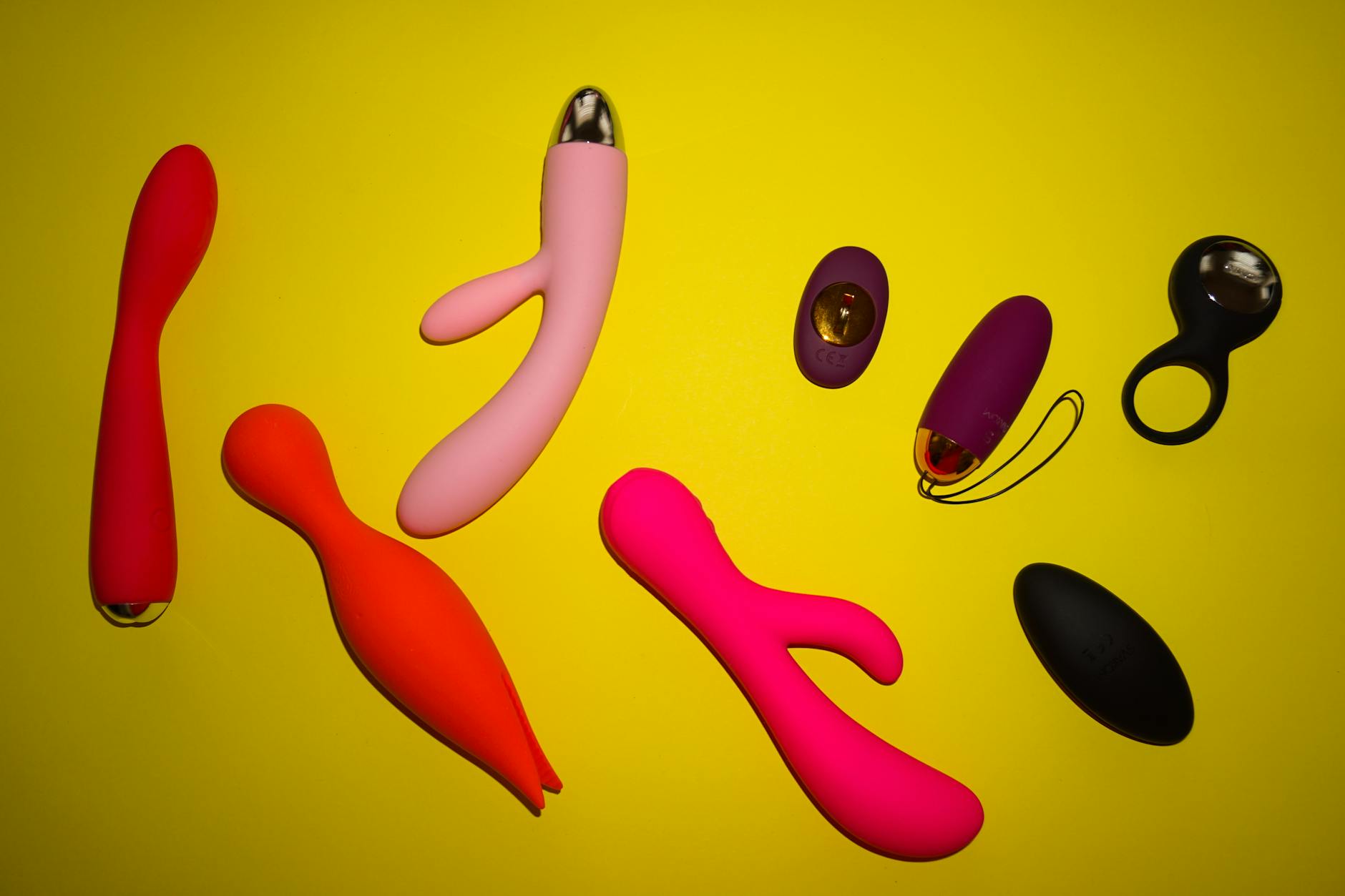
Why Lemon Vibrators Are Better for Recovering From Birth and Postpartum Changes
Let's be real. Nobody gives you a playbook for pleasure after birth. You get advice about sleep, feeding, pelvic floor exercises. But sex and self-pleasure? That conversation happens in whispers, if at all. The result is that most people stumble back into that part of their life without understanding what their body needs, which toys will actually feel good, or when it's safe to start experimenting again.
Here's what actually matters: postpartum bodies are tender, swollen, and neurologically overwhelmed for weeks or months. A traditional vibrator designed for general pleasure isn't built for tissue that's healing. Air-pulsing lemon vibrators, though, are specifically engineered for precision and control. That changes everything.
How Your Body Changes After Birth
Vaginal delivery leaves tissue bruised, sometimes torn, and flooded with inflammation for weeks. Even with a C-section, your pelvic floor is functionally compromised, your hormones are tanking, and your nervous system is running on fumes. Estrogen and testosterone drop dramatically within hours of birth. That means sensation is duller, tissue is thinner and more fragile, and arousal takes longer to build. Your clitoris doesn't stop working. But the road to pleasure gets rockier for a while.
That swelling and inflammation is actually protective. Your body is healing. Irritating it with harsh vibration or relying on friction-based stimulation can slow recovery and increase pain, which then creates anxiety around sex and pleasure. That anxiety locks you into a spiral that's hard to escape.
Why does this matter for your choice of toy? Because not all vibrators are gentle. Some are jackhammer intense. Others have rigid designs that put pressure on tender tissue. Lemon vibrators, especially air-pulsing models, use suction and pulse patterns instead of raw vibration. That means you get stimulation without the brutality.
Why Air-Pulsing Works Better Than Traditional Vibration
Traditional vibrators send continuous micro-vibrations through the toy and directly into tissue. That works fine on healthy, non-inflamed clitoral tissue. On postpartum tissue, it can feel like static on overstimulated nerves.
Air-pulsing technology works differently. Instead of vibrating, it creates gentle pulses of suction and pressure that stimulate nerve endings in waves rather than constant tremors. Think of it like the difference between a constant buzz and a rhythmic squeeze. The pressure is dispersed across a wider area, which means less concentrated force on healing tissue. You also get more control. You can adjust intensity incrementally, start on the lowest setting without feeling like you're losing your mind, and ramp up only if and when your body wants more.
The Lem vibrator uses this air-pulsing approach, which is why it's become the default recommendation for postpartum pleasure recovery. It gives you intense sensation when you're ready for it, but starts gentle enough that it doesn't feel like an assault on tissue that's still stitching itself back together.
The Timing Question: When Is Sex Actually Safe?
Most healthcare providers clear you for penetrative sex around 6 weeks postpartum, assuming no complications. But clearing for sex and clearing for pleasure are different things. Your provider usually means "your tear has closed" or "your uterus has shrunk back." They don't mean "you're horny" or "your clitoris feels normal" or "intercourse will feel good."
Self-pleasure is typically safe earlier than partnered sex, especially if you're using external stimulation only (no penetration). Many people find that gentle clitoral stimulation feels good around week 3 or 4, once the acute swelling goes down. That's when lemon clitoral vibrators become genuinely useful. You're not ready for your partner's rhythm and pressure. You might not want penetration. But your own hand, plus a precise air-pulsing toy, gives you agency. You set the pace. You control the intensity. You can stop the second it doesn't feel right.
If you're breastfeeding, your hormone levels stay suppressed. Oxytocin and prolactin keep estrogen low, which keeps tissue thinner. That means the postpartum recovery period extends, sometimes until you stop nursing. Lemon vibrators remain useful during that entire window.
Pelvic Floor Recovery and Pleasure Aren't Separate Conversations
You'll be told to do pelvic floor exercises. Kegels. Maybe pelvic floor physical therapy if you had significant tearing. That's crucial. But here's what often gets lost: a pelvic floor that's only learned to contract is a pelvic floor that's tight. The flip side of strengthening is releasing.
Gentle pleasure, including self-pleasure with lemon vibrators, actually supports pelvic floor recovery because it teaches your nervous system that this area is safe and can relax. When you use a toy at a low intensity and practice being present with sensation instead of bracing against it, you're retraining your pelvic floor to move fluidly. Tension and contraction become optional rather than default.
People who engage in gentle pleasure work during postpartum recovery typically have fewer long-term pelvic floor issues. It's not because they're doing anything radical. It's because they're signaling to their body that sensation here is okay.
Partner Pressure and the Conversation That Matters
Here's a hard truth: postpartum is when many relationships fracture around sex. Your partner is ready. You're not. They feel rejected. You feel pressured. Neither of you talks about it clearly.
Lemon vibrators become more than a pleasure tool in this context. They become a third voice in the room. A way to reconnect with your own pleasure without the weight of your partner's expectations. If your partner is present, they can learn to use a toy on you. That's different than intercourse. It's lower stakes. It's focused on you. But it still lets you both remember what desire feels like.
The key conversation isn't "when can we have sex again." It's "what does your body actually need right now." Sometimes the answer is "my hand and a lemon vibrator, alone for 20 minutes." That's valid. That's enough. And it's the path back to wanting your partner again, when the time comes.
What to Look for in a Postpartum Toy
Not all lemon vibrators are the same. For postpartum use, you want air-pulsing technology over traditional vibration. You want at least 5 intensity settings so you can start low. You want a design that's curved or contoured to reach your clitoris without requiring pressure from you. You want silicone that's body-safe and easy to clean.
You also want waterproof, because you'll be learning yourself again in a shower or bath, often alone, where water is a form of gentleness and safety. The lemon clitoral vibrator checks all those boxes. It's precise, forgiving, and designed with recovery in mind.
Don't grab whatever is cheapest or most intense. Postpartum bodies don't need intensity. They need precision and control. That's what separates a toy that helps from a toy that just sits in a drawer because it always felt like too much.
Lubrication Is Not Optional
Postpartum tissue is dry. Lubrication isn't an option. It's a necessity. Use a water-based lube even if you don't think you need it, especially in the first weeks. Your body will feel more sensation with lubrication because there's less friction and irritation blocking the signal. Your tissue will stay safer. Everything will feel better.
Apply lubricant to your clitoris and the toy before starting. Reapply halfway through if you're taking your time. Your postpartum body is not automatically lubricated. Accept that. Work with it. Lube isn't failure. It's smart.
The Mental Part Matters as Much as the Physical
Postpartum depression and anxiety are real. Your body image is in free fall. You're exhausted. You might have intrusive thoughts about your body being broken or permanently changed. Shame shows up in the weirdest moments.
Self-pleasure work, even gentle work, sends a message to your nervous system that your body is still yours. That it's still capable of feeling good. That you haven't disappeared into parenthood. That matters neurologically and emotionally.
If you're struggling with postpartum depression or anxiety, talking to a therapist matters too. But gentle pleasure isn't something to wait until you feel better to explore. It's part of getting there.
When to Reach Out for Support
If you experience sharp pain, significant bleeding, or new discharge when exploring pleasure, contact your healthcare provider. Pain during or after self-pleasure can mean you're not ready yet, or that something needs attention. Neither is a failure.
If you're touched out, overstimulated, or genuinely uninterested in pleasure, that's also real postpartum. You don't need a toy. You need rest and space. But you might also benefit from talking through what's driving that avoidance. Touching a partner might feel claustrophobic when you've been touched by a baby for 12 hours straight. That doesn't mean pleasure is off the table forever. It means the timing isn't right yet.
The Path Forward
Your postpartum body is not your pre-baby body. It's also not broken. It's recovering. Lemon vibrators, especially air-pulsing models, work better than traditional toys during this window because they're precise, controllable, and forgiving. They let you reconnect with sensation at your own pace without pressure or judgment.
Your pleasure matters. Not just someday when you "get your body back." Right now, in the middle of the chaos, it matters. A gentle lemon clitoral vibrator is a small tool that says that out loud.
People Also Ask
How long after birth can I start using lemon vibrators?
Most healthcare providers clear you for external stimulation around 4 to 6 weeks postpartum, once acute swelling has gone down. If you had significant tearing or a C-section, your provider might recommend waiting a bit longer. The key is listening to your body. If anything feels sharp, stop immediately. Gentle pressure and air-pulsing should feel like a pleasant buzz or squeeze, not pain.
Can I use a traditional vibrator instead of an air-pulsing lemon toy?
Technically, yes. But postpartum tissue is hypersensitive and swollen. Traditional vibrators send continuous micro-vibrations that can feel overwhelming or even irritating on healing tissue. Air-pulsing toys like lemon vibrators deliver stimulation in waves, which feels gentler and allows more control. That makes them objectively better for postpartum bodies, though if a traditional toy is what you have and it feels good at the lowest setting, that matters more than the type.
What if I have no desire for pleasure right now?
That's completely normal. Postpartum hormones, exhaustion, and the sheer sensory overload of a newborn kill desire for a lot of people. You're not broken. You don't need to force it. But gentleness and curiosity when you get a few quiet minutes can rewaken that part of yourself slowly. Many people find that exploring pleasure without pressure (solo, no expectations, using a toy that requires nothing from them) is the doorway back.
Should my partner use a lemon vibrator on me, or is self-pleasure better?
Both have value, and they're different experiences. Self-pleasure lets you control everything. You decide pace, pressure, and when to stop. That agency matters postpartum. Partnered pleasure can rebuild intimacy if it feels good to you. The key is that your partner follows your lead, starts low, and never assumes you want what you wanted before. Let your partner read your cues. If it feels like pressure or obligation, stop. Your pleasure shouldn't feel like a job.
How do I know if I'm healed enough for penetration?
Ask your healthcare provider. They'll do an exam and tell you when your tear or incision is closed and tissue is less fragile. But being medically cleared and feeling ready are different things. You might be cleared at 6 weeks and not feel emotionally ready until month 4. Trust your own timeline. Penetration doesn't need to happen on anybody else's schedule.
Can I use lemon vibrators while breastfeeding?
Yes. Breastfeeding does suppress estrogen and keep pelvic tissue thinner, which means you might want air-pulsing toys longer than someone who isn't nursing. Lemon vibrators work great for this. The only consideration is fatigue. If you're exhausted (which you are), make sure self-pleasure feels like a gift to yourself, not another task. Even 10 quiet minutes can reset your nervous system.
References and Further Reading
Postpartum sexual function and recovery is well-documented in clinical literature. The American College of Obstetricians and Gynecologists provides evidence-based guidance on postpartum sexual activity and recovery timelines. Research on pelvic floor rehabilitation consistently shows that gentle pleasure and nervous system work alongside traditional pelvic floor exercises improves long-term outcomes. If you want to understand the physiology deeper, seeking out a pelvic floor physical therapist can help. They can assess your specific recovery and make personalized recommendations. The key takeaway: your postpartum body deserves tools and knowledge that meet it where it is, not where it was.