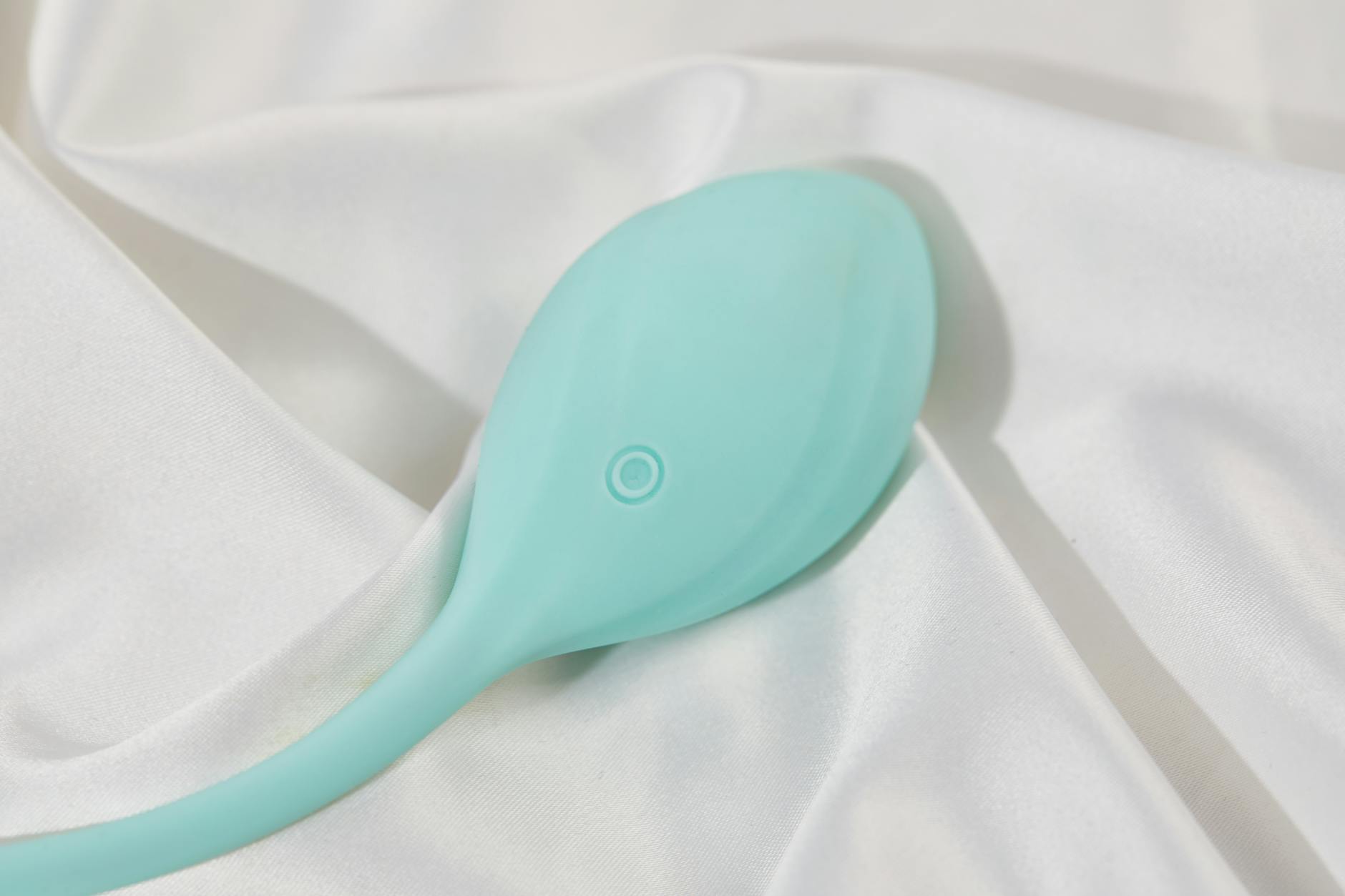
Here's what really happens to pleasure after menopause
Let's be real. Menopause changes how your body responds to touch, sensation, and yes, to vibrators like the Lem. But here's what almost nobody tells you straight: it doesn't end pleasure. It reshapes it. And for a lot of people, that reshaping opens doors that were never quite accessible before.
The shift is real. Your favorite lemon vibrator might feel different. Your clitoral sensitivity might shift. The speed at which you get aroused might change. But understanding what's happening physiologically is the difference between thinking something is broken and knowing you just need to adjust your approach.
I've worked with hundreds of people navigating this transition, and the pattern is always the same: panic first, then curiosity, then discovery. Let's skip the panic part.
What hormonal changes actually do to clitoral sensation
When estrogen drops, the tissue covering your clitoris gets thinner. This isn't damage. It's a shift. Thinner tissue means sensation can feel sharper, more direct, sometimes more intense. For some people, this is brilliant. For others, it means the intensity level on your Lem that felt perfect at 45 feels too aggressive at 55.
Your clitoral nerve density doesn't change. Neither does your capacity to feel pleasure or to orgasm. What changes is the buffer. The protective tissue layer that used to soften vibration is less thick. This can make lemon clitoral vibrators feel more potent, which sounds good until it's not.
There's also a blood flow component. Arousal takes longer because it relies on blood vessel dilation, and that process slows slightly with hormonal shifts. You might notice you need 10-15 more minutes of buildup before you're fully ready. This is not a problem if you know it's coming.
Why air-pulsing lemon vibrators work better for post-menopausal bodies
This is where Hello Nancy's approach to design gets interesting. Traditional vibrators create rapid friction against tissue. Air-pulsing lemon vibrators, like the Lem, use suction and release patterns. This distinction matters enormously after menopause.
With thinner clitoral tissue, direct vibration can trigger discomfort or numbness. Suction works differently. It engages the entire clitoral complex, not just the surface. The sensation is broader, less localized, and for most post-menopausal people, dramatically more comfortable. You get intensity without the sharp edge.
I recommend this to almost every person I work with who's noticing that their old vibrator suddenly feels off. Switching to an air-pulsing lemon vibrator isn't a downgrade. It's a recalibration.
The lubrication question nobody answers honestly
You probably already know that lubrication changes. What people don't tell you is how much that affects the vibrator experience.
Without adequate lubrication, friction increases. That friction makes vibration feel harsher and more tiring. Your tissues also become more sensitive to irritation. This is why water-based lubricant matters so much post-menopause. It's not just about comfort during penetration. It's about making your lem vibrator feel the way you remember.
Use lubricant even if you don't think you need it yet. You probably will as you build arousal. Keeping a small bottle nearby removes the friction of having to stop and look for it.
If natural lubrication has dropped significantly, a vaginal moisturizer used daily can help. These are different from lubricants. They're designed for ongoing moisture, not just in-the-moment use. Talk to your doctor if dryness is severe. Topical estrogen creams work quickly and have minimal systemic absorption.
Pelvic floor changes and what they mean for sensation
Estrogen supports pelvic floor muscle tone. When it drops, those muscles lose some of their support and elasticity. The pelvic floor can feel weaker, which paradoxically makes some sensations more intense and others less accessible.
This is why Kegel exercises get recommended constantly. But here's what nobody says: your pelvic floor also needs to learn how to fully relax. Tension in that area dampens pleasure and can make vibration feel uncomfortable.
A simple practice: spend a few minutes before using your lem vibrator actively relaxing your pelvic floor. Breathe deeply. Consciously soften that area. You might also find that pelvic floor physical therapy helps if tension has become chronic. A PT trained in this can make an enormous difference.
The arousal timeline stretches out, and that's actually fine
One of the most common complaints I hear is that sex feels slow now. Getting aroused takes longer. Building to orgasm takes longer. This feels like loss until you reframe it as opportunity.
Your body is asking for a longer, slower approach. That's it. Budget 20-30 minutes instead of 10. Start with less intense settings on your lemon clitoral vibrator. Build gradually. Many people find that this slower pace actually leads to more intense orgasms, not less.
This is especially true for people in partnerships. The assumption that faster equals better is one of the most persistent myths in sexual health. Menopause forces a reset, and that reset often improves the experience for everyone involved.
Psychological shifts that matter as much as hormones
Here's what's underrated: menopause often coincides with major life transitions. Kids leaving home. Career changes. Relationship shifts. Grief. The temptation is to blame hormones for everything, but sometimes what's changed isn't your body. It's your life.
If you're noticing that your lem vibrator doesn't feel as exciting as it used to, pause and ask: is this a physical sensation change, or is it a desire change? These need different solutions. A different vibrator won't fix relationship disconnection. But a conversation with your partner might.
I also see a lot of people discover sexuality for the first time post-menopause. Without fertility concerns. Without the hormonal cycling of premenopausal life. Without societal pressure to perform. Some of my clients report that their early 60s were sexually more alive than their 30s. This isn't rare.
Testing different settings and intensities with intentionality
If your lemon vibrator suddenly feels too intense, don't throw it out. Experiment. Most Lem vibrators have multiple patterns and intensity levels. Start at pattern 1, level 1. Spend time there. Notice what you feel.
You might find that a pattern you never used before becomes your favorite. Or that you prefer a combination of patterns you'd never tried. The goal is to approach this like exploration, not troubleshooting.
Silicone vibrators tolerate experimentation well. They're durable. You're not going to break anything by trying different speeds and patterns.
When to check in with a doctor
If you're experiencing pain during vibrator use, stop and talk to your GP or gynecologist. Genitourinary syndrome of menopause is common and completely treatable. Topical estrogen, vaginal moisturizers, and vaginal dilators all work. You don't have to push through discomfort.
If desire has completely disappeared, that's worth discussing too. Testosterone therapy is prescribed conservatively in some countries but is available. For the right person, it's life-changing.
Also worth noting: how hormonal changes affect sensitivity is different for everyone. There's no standard timeline or standard experience. Your version is normal.
The reframe that changes everything
Menopause doesn't close the door on pleasure. It opens a different one. The lemon vibrators and clitoral vibrators that worked before might need adjustment. Your approach to arousal might need to slow down. Your expectations might need to shift.
But the capacity for pleasure? That doesn't go anywhere. Thousands of people are discovering some of their best orgasms post-menopause. The difference is they stopped expecting menopause to end pleasure and started learning what pleasure looks like in this new chapter.
Your body isn't broken. It's different. And different, with the right information and tools, often turns out to be better.
Frequently asked questions
Why does my Lem vibrator feel more intense after menopause?
Thinner clitoral tissue means less cushioning between the vibration and your nerve endings. The vibrator itself hasn't changed. Your tissue has. If it's uncomfortable, try lower intensity settings or consider switching to an air-pulsing design, which distributes sensation more broadly.
Can I still use traditional vibrators after menopause?
Absolutely. Some people prefer them. But if you're noticing discomfort, air-pulsing lemon vibrators or gentler vibrational patterns often feel better. There's no rule. It depends entirely on what feels good to your body now.
Does hormone replacement therapy change how vibrators feel?
Yes. If you start HRT and your tissues regain some elasticity, your vibrator experience might shift again. This is normal. Your body is adapting to changed hormones. You might find you need to readjust your preferred settings.
How much lubrication do I need when using a lemon clitoral vibrator?
Enough to reduce friction. You don't need it to be sloppy. A quarter-sized amount is usually sufficient. Reapply as needed. Water-based lubes work best with silicone toys and dry quickly, so you'll need to add more than you might expect.
Is it normal for orgasms to feel different after menopause?
Completely normal. They might feel more localized, less intense, or strangely more intense. They might take longer to build. Shape, intensity, and duration can all shift. If you're still having them, you're doing fine. If you're not, a doctor can help investigate why.
Should I try a different lemon vibrator after menopause?
Maybe. But before you buy something new, spend time understanding how your body has changed. Lower your current vibrator's intensity. Use more lubricant. Allow more time for arousal. You might find your current toy works perfectly with a few adjustments. If you do want to explore, air-pulsing designs are worth trying.
The bottom line
Menopause changes things. Your body's response to your lemon clitoral vibrator might feel different. Your timeline shifts. Your approach needs tweaking. But your capacity for pleasure doesn't go anywhere. Understanding what's happening physiologically removes the panic and opens space for discovery.
If you're navigating this transition and feeling stuck, reach out to us. We're here to help you figure out what works now.