The thing nobody talks about
You bought a lemon vibrator, used it obsessively for two weeks, and it was genuinely mind-blowing. Now, three months later, you're using the same device at the same intensity and feeling... almost nothing. It's not broken. Your nervous system just stopped paying attention.
This is desensitization, and it happens to almost everyone who uses any vibrator regularly, whether it's a traditional vibration device, an air-pulsing lemon sucker, or anything in between. The good news is that understanding why it happens gives you concrete tools to fix it.
Why your body stops responding to the same stimulus
Your nervous system is built to detect change, not consistency. When you first use a lemon vibrator, the sensation is novel. The nerves in your clitoris are firing rapidly because they're encountering something new. Thousands of sensory receptors light up at once. Your brain floods with dopamine and norepinephrine. It feels incredible.
But here's what happens next. Those same nerve endings start adapting to the regular signal. This is called "sensory adaptation," and it's not a flaw in your body. It's a feature. Your nervous system filters out predictable input so you can detect actual threats or novel rewards. It's the same reason you stop noticing the hum of your refrigerator after an hour, or why a piece of music you listened to obsessively last month is now background noise.
With vibrators, this adaptation happens fastest when you use the same device, same intensity, same pattern, same duration, at predictable intervals. Your nervous system essentially says: "We've seen this before. Nothing new here." The sensation flattens.
The role of repetition, intensity, and novelty
Three variables determine how quickly desensitization sets in:
Repetition. If you use your lemon clitoral vibrator every single day, adaptation accelerates. The receptors are being exposed to the same stimulus constantly, so your body deprioritizes them. If you use it twice a week, the time between sessions allows partial recovery.
Intensity. Counterintuitively, higher intensity can lead to faster adaptation in some people. Your nervous system compensates by turning up the threshold for what feels "strong enough." You end up needing more intensity over time to feel the same effect. Some people experience the opposite with air-pulsing toys like a lemon sucker, which can sustain sensitivity longer because the pattern feels less monotonous than traditional vibration.
Novelty. Your nervous system is a thrill-seeker. New sensations reset the adaptation clock. This is why switching devices, trying a different pattern, or introducing a partner into the experience can suddenly make everything feel fresh again.
How desensitization actually feels
It's not that the vibrator suddenly stops vibrating. It's that the sensation becomes duller, less specific, less pleasurable. You might describe it as:
Feeling more surface-level, like the vibration isn't penetrating as deeply. Having to use higher intensity to achieve the same effect. Orgasms taking longer, or feeling less intense when they arrive. The whole experience feeling routine instead of exciting. Needing mental tricks or fantasy to stay engaged.
Some people stop using their device entirely at this point, assuming they've "ruined" themselves or that something is wrong. That's not true. The device is fine. Your nervous system just needs a reset.
The reset methods that actually work
Take a break. The most direct solution is a period of abstinence from vibration. This doesn't mean giving up pleasure entirely, just giving up that specific stimulus. Two to four weeks without your lemon vibrator allows your sensory receptors to re-sensitize. When you return to it, the sensation will feel stronger again. This works because the threshold your nervous system has built up will start to lower during disuse.
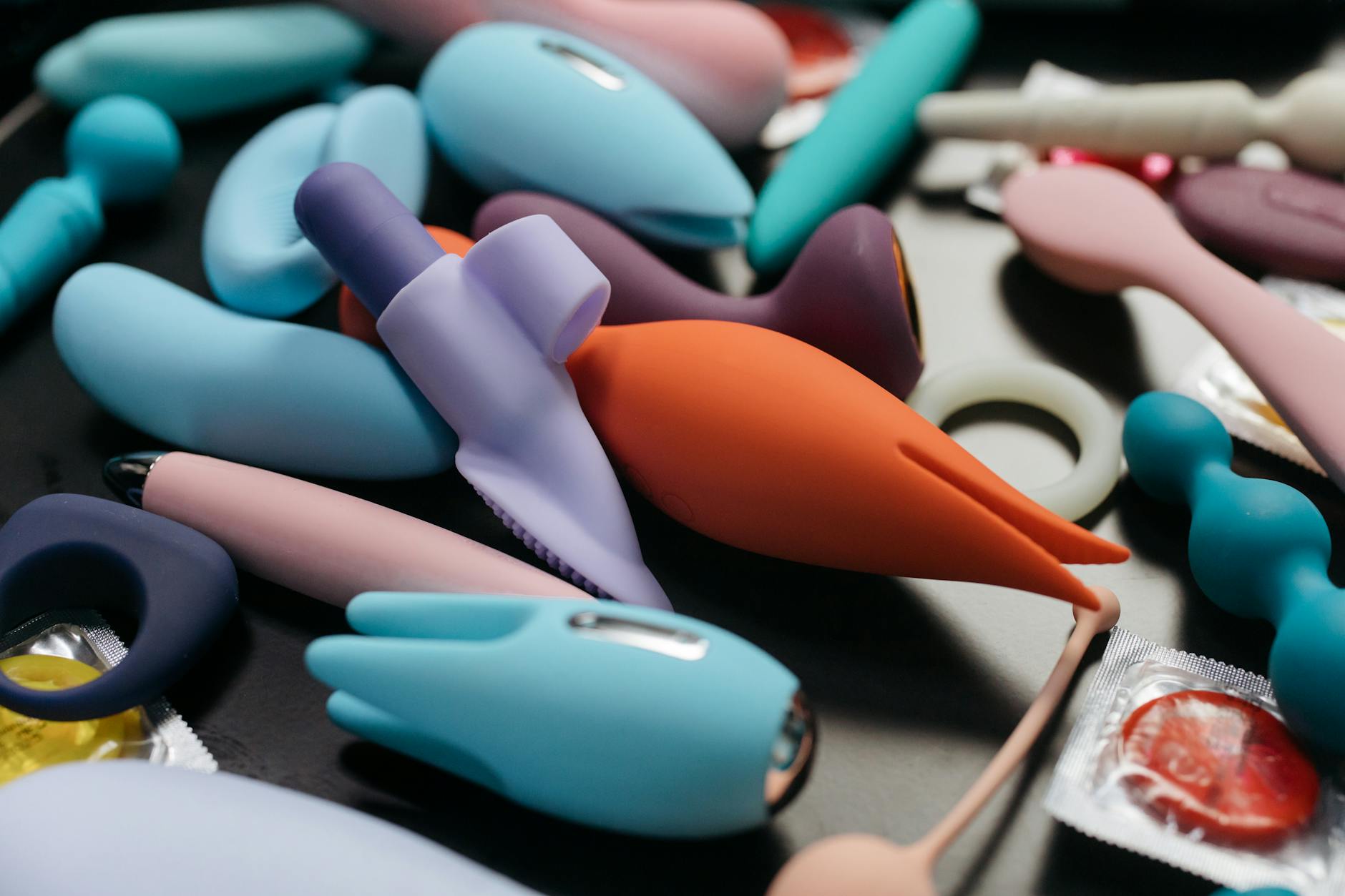
Switch devices. If stopping entirely feels unrealistic, rotate between devices. If you've been using the Lem, try a different lemon-shaped vibrator or explore traditional vibration. The change in pattern, intensity, or sensation is enough to reset the adaptation response. Even moving from a lemon clitoral vibrator to an air-pulsing device can restore that sense of novelty and intensity.
Vary your patterns. Most devices have multiple settings. If you've been using pattern 5 at intensity 7 every session, switch to pattern 2 at intensity 4. Or try pattern 8 at a lower intensity. The variety tricks your nervous system into paying attention again because it's encountering something different.
Change the context. Use your lemon sucker at a different time of day, in a different location, or with a partner present (if that applies). Environmental novelty combined with device novelty compounds the reset effect. Your brain associates pleasure with change and surprise.
Extend the time between sessions. Instead of using your lemon vibrator every evening, drop to three times a week. The longer the gap between uses, the more recovery time your sensory receptors get. You'll notice the sensation feels sharper again after the break.
The role of psychology and expectation
Desensitization isn't purely physiological. Expectation and routine dull sensation too. If you use your device while scrolling your phone, half-present and on autopilot, you'll feel less than if you use it with full attention and intention. Your brain literally processes the sensation differently depending on whether you're present.
This is worth separating from true nervous system adaptation. Sometimes what feels like desensitization is just distraction. Dimming the lights, putting your phone away, and approaching the experience with curiosity instead of habit can restore sensation without any physical break needed.
When to involve a partner or try something new
If you're in a partnered relationship, bringing your lemon vibrator into sexual activity together can reset the experience. The unpredictability and novelty of partnered sex, combined with the device, creates new sensations. Your partner's touch, their rhythm, the surprise element of when they use it or adjust it, all register as novel to your nervous system.
If you're flying solo, trying your device in a completely different context (a partner visit, a weekend away, or even just a different room) can create enough novelty to restore sensation temporarily.
The myth of "ruining" yourself
Let me be direct: you cannot permanently damage your ability to feel pleasure with a vibrator. Your nervous system is plastic and adaptive. Even if desensitization feels severe, a break of a few weeks to a few months will restore your baseline sensitivity. People who take three-month breaks and return to their lemon clitoral vibrator report that it feels shockingly intense again.
This also means you're not broken if you've used vibrators extensively. Sensitivity can always be restored.
Practical strategies for long-term use
If you want to use lemon vibrators regularly without hitting a wall of desensitization, here's what works:
Rotate devices. Buy or borrow a second device to alternate with. Two weeks on the Lem, two weeks on something different. Your sensory receptors stay engaged because they're encountering new input regularly.
Use lower intensity by default. Start at 60-70% of your device's maximum intensity. Save higher intensities for occasional sessions. This prevents your nervous system from escalating its adaptation threshold.
Leave space between sessions. Three to four times weekly is sustainable for most people without desensitization. Daily use accelerates adaptation significantly.
Vary your patterns and duration. If your lemon sucker has eight patterns, use four of them across different sessions. Change up how long you use it too.
Stay present. This is the easiest intervention and costs nothing. Full attention changes how your brain processes sensation, sometimes enough to prevent adaptation altogether.
When it might be more than desensitization
If you're experiencing sudden loss of sensation combined with pain, numbness, or significant mood changes, check with a healthcare provider. Desensitization is gradual and reversible. Sudden changes warrant professional attention.
Also, certain medications, hormonal changes, or health conditions can genuinely reduce clitoral sensation. If a break from your lemon vibrator doesn't restore sensation, or if you're noticing changes in other areas of your sex life, that's worth discussing with someone who specializes in sexual health.
The bottom line
Desensitization isn't a sign of failure or that you've broken yourself. It's your nervous system doing exactly what it's designed to do: adapting to predictable stimuli. But because it's predictable and reversible, you have real control over it. A break, a device switch, a pattern change, or just more intentional presence can restore that rush you felt on day one. You haven't lost the capacity for pleasure. You've just temporarily exhausted one pathway to it. There are always more pathways to explore.
FAQ: Your questions answered
How long does it take to desensitize to a lemon vibrator?
Typically two to twelve weeks with regular daily use. Some people notice it within two weeks if they use their device multiple times daily. Others can use the same lemon clitoral vibrator daily for months without noticeable adaptation. Individual nervous systems vary based on sensitivity baseline, device intensity, usage patterns, and psychological factors like attention and expectation.
Is desensitization permanent?
No. Your nervous system can always recover sensitivity. A break of two to four weeks usually restores most baseline sensation. Some people experience full recovery in one week; others need eight weeks. It depends on how long and intensely you used the device. Your sensory receptors don't "die" or permanently adapt. They reset when the stimulus is removed.
Can you use a lemon sucker every day without desensitizing?
Maybe. It depends on how you use it. If you vary patterns, intensity, duration, and context daily, you might avoid significant adaptation. Many people find that air-pulsing devices like a lemon sucker cause slower desensitization than traditional vibration because the pattern feels less monotonous. But individual variation is huge. The safest approach for daily use is rotating between devices and patterns.
Does meditation or mindfulness prevent vibrator desensitization?
It can help. Full attention and presence change how your nervous system processes sensation. Mindfulness during use might slow adaptation slightly. But it won't prevent physiological adaptation entirely if you're using the same device, intensity, and pattern daily. It's a useful tool, but not a complete solution on its own.
What's the difference between desensitization and numbness?
Desensitization is gradual, reversible, and affects sensation from that specific stimulus. Numbness is often sudden, can be painful, and usually involves loss of sensation broadly (not just from vibration). If you're experiencing true numbness, see a healthcare provider. If sensation just feels duller when using your lemon vibrator, that's likely desensitization and totally fixable with a break or device switch.
Do lemon vibrators desensitize faster than other toys?
Not inherently. Desensitization depends on use frequency, intensity, pattern variation, and individual nervous system sensitivity, not on the device type itself. You can desensitize quickly to any vibrator if you use it the same way every day. You can also use any vibrator, including a lemon clitoral vibrator, regularly without significant desensitization if you rotate patterns, intensity, and devices.
Should I take breaks from my lemon vibrator to prevent desensitization?
If you're using it daily and noticing dulling sensation, yes. But if you're using it two to three times weekly and varying your approach, you might not need planned breaks. Listen to your body. If sensation is flattening, a week off is usually enough to notice improvement. You don't need to build in mandatory breaks if your usage pattern isn't causing problems.
Can you desensitize to air-pulsing versus traditional vibration differently?
Yes. Air-pulsing devices like a lemon sucker tend to cause slower desensitization for some people because the pattern of stimulation feels more varied and less repetitive than monotonous vibration. But individual nervous systems respond differently. Some people adapt to air-pulsing at the same speed as traditional vibration. The best approach is to experiment and notice what feels sustainable for you.
If you're experiencing persistent sensitivity loss or have concerns about your sexual health, reach out to Hello Nancy. You're not alone in this, and solutions exist.