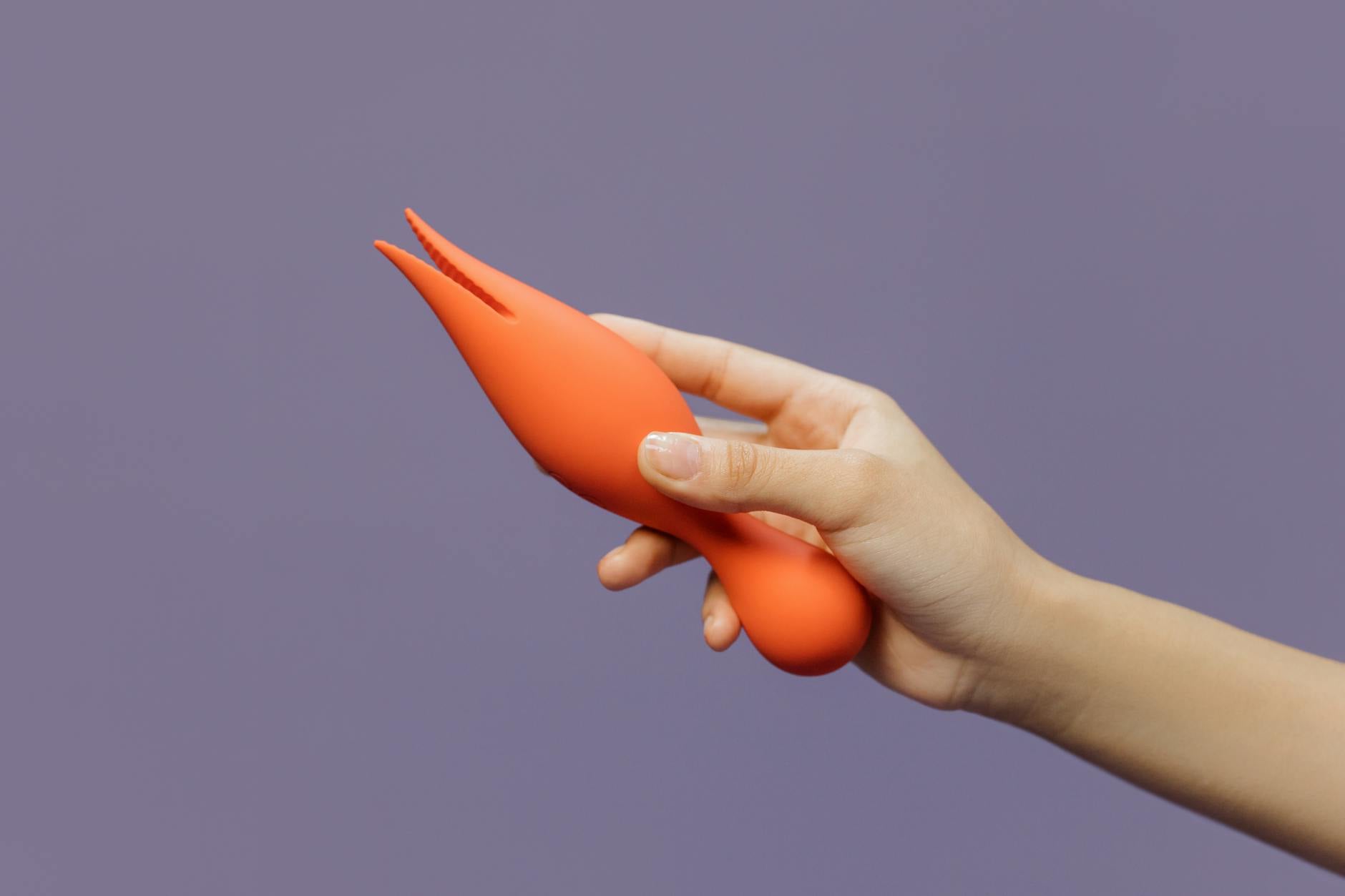
Let's start with the honest part
If you have a sensitive vulva, most vibrators feel like you're bringing a jackhammer to skin that's already saying no. The problem isn't you. The problem is how most toys stimulate.
Traditional vibrators, including bullet vibrators, work by moving back and forth at high speed. That's friction. Friction on thin, sensitive tissue—especially if you're prone to irritation, have lichen sclerosus, or just came off antibiotics that tanked your microbiome—is a hard limit. You're not broken. You just need a different mechanism.
Here's where lemon vibrators, specifically air-suction clitoral vibrators like those Hello Nancy makes, change the game. They don't vibrate through contact. They pulse air around your clitoris. No friction. No numbing. No microscopic tears from repeated impact.
How air-suction actually works
Air-suction technology (also called air-pulse or air-wave) creates rhythmic pulses that gently compress and release the tissue around your clitoris. Instead of a toy moving against skin, you're feeling pressure waves—like a gentle, rhythmic squeeze.
Think of it this way: a traditional vibrator is a woodpecker. An air-suction lemon vibrator is a wave pool.
Why does this matter for sensitive skin? Three reasons.
First, zero direct friction. The clitoral glans is packed with nerve endings, but it's also surprisingly delicate. Women who experience vulvodynia, irritation from condoms or lube brands, or post-menopausal thinning often find that any toy that relies on direct vibration against tissue feels either painful or numb-making. Air-suction works around that problem entirely.
Second, gentle stimulation of a wider area. Instead of concentrating all the force on one point, air-suction distributes the sensation across a small radius. This means you get intense pleasure without overwhelming those densely-packed nerves.
Third, no desensitization. Prolonged vibration can temporarily numb nerve endings—that post-orgasm "tingle is gone" feeling. Air-suction, because it uses pressure rather than vibration, rarely causes that.
Which materials matter most
Lemon clitoral vibrators and lemon sexual toys from Hello Nancy are made from medical-grade silicone. That's not marketing—it's important.
Medical-grade silicone is non-porous, which means bacteria and fungi can't hide in microscopic cracks. Regular silicone sometimes has plasticizers and phthalates that leach into your tissue (especially if the toy gets warm). Medical-grade doesn't.
For sensitive skin, silicone is also hypoallergenic. It won't trigger reactions the way rubber, PVC, or lower-grade plastics might. If you've had a bad reaction to a toy before—redness, itching, burning that lasted hours after you stopped using it—that's usually a material issue, not a you issue.
But here's what people miss: even great material matters less than your preparation. Lube, wash, and patience all do more work than the toy itself.
Pre-play setup for sensitive vulvas
Four non-negotiable steps.
1. Wash first. Not a full shower, but run warm water over your vulva and dry gently. This removes sweat, lint, and bacteria that can intensify irritation. Dead skin and residue trapped under a toy makes everything worse.
2. Use the right lube. For air-suction toys, water-based lube is essential (silicone-based can damage the silicone toy). Apply it generously. Not because you need it for lubrication the way you might with penetration, but because it creates a buffer between the toy and your skin. Even sensitive skin handles suction better with lube.
3. Start at the lowest setting. Most air-suction lemon vibrators have at least three intensity levels. If you have sensitive skin, you probably don't need more than level two. Ever. The design of air-suction means even mild intensity creates full-body sensation.
4. Work up slowly. Spend the first session—or first five sessions—just getting used to the feeling without chasing orgasm. Your nerve endings need time to learn the sensation. This isn't foreplay advice. This is healing advice.
When sensitivity comes from dryness
Thin, dry tissue is common. Menopause causes it (which we cover in detail in our earlier post about post-menopausal pleasure). So do hormonal birth control, antihistamines, autoimmune conditions, and just genetics.
Dryness makes friction toys painful. It also makes you feel like you're doing something wrong—like your body isn't responsive.
Air-suction lemon vibrators work well here because they don't require the same level of tissue elasticity. Dry skin is still skin. It has nerve endings. Those nerves respond beautifully to suction and pressure.
But here's the move: if dryness is the issue, you might also benefit from a vaginal moisturizer used daily (not just during sex). Hyaluronic acid-based or plant-oil formulas work without hormones. Some people use them three times a week. Your vulvovaginal specialist can recommend one fitted to your skin type.
The lemon clitoral vibrator isn't a replacement for that. It's a tool that works with your body as it actually is right now.
Irritation from other causes
Sometimes sensitivity comes from something else entirely. Contact dermatitis from a new soap. A yeast imbalance. Friction from clothing or exercise. A mild infection you didn't know you had.
Before you assume a toy is the problem, check. If you feel itching, burning, or rawness that doesn't go away within an hour after use, that's worth investigating. See a gynecologist or dermatologist. It might be nothing serious, but it's information you need.
Once you've ruled out infection or dermatitis, then air-suction lemon vibrators become useful. They're less likely to irritate healing or sensitized tissue than friction-based toys.
The numbing problem (and why air-suction solves it)
Women often report that after using traditional vibrators for 10+ minutes, the sensation dies. Orgasm becomes harder to reach. You end up chasing intensity instead of pleasure.
This happens because sustained vibration fatigues the nerve endings responsible for sensing vibration. It's called vibrotactile adaptation. Your nervous system stops registering the signal because it's constant.
Air-suction creates a different sensation type—pressure and release, not continuous vibration. Your nerves process it differently. Many people find they can use air-suction toys for longer without that numbing effect, which means orgasms stay intense and accessible throughout.
If you've been using vibrators and experiencing numbness, that's not a sign you need a stronger toy. It's a sign you need a different mechanism.
Building sensitivity back after irritation
If you've had a bad experience with a toy—painful friction, chemical irritation, something that made you avoid touch for weeks—your nervous system gets protective. Your body learns to tense up, anticipating pain.
Rebuildling that trust takes time. This is where lemon sexual toys designed with sensitive skin in mind actually shine. They're gentle enough that you can use them without fear, which lets your nervous system relax. Over sessions, your body learns it's safe. Pleasure returns.
This isn't psychology. It's neurobiology. Repeated positive stimulation rewires your baseline response.
Start with the lowest intensity. Spend time just feeling. Don't push toward orgasm. Let your body remember what non-painful sensation feels like. After a few sessions, usually things open up.
If they don't—if pain or extreme anxiety remains—that's when you talk to a pelvic floor physical therapist or a sex therapist. Sometimes sensitivity has deeper roots that need professional support.
Partner play with sensitive skin
If you're using a lemon vibrator with a partner, the air-suction design actually helps communication. Because there's no jackhammer sensation, you can stay present and vocal about what feels good. You're not bracing against intensity. You're not going numb. You can actually tell your partner what's happening in your body.
Many couples find that switching to an air-suction toy changes the whole dynamic. Suddenly, you're not managing pain or numbness. You're just... enjoying it.
One more thing: if your partner has been approaching your sensitivity as a problem to solve, this is a good moment to reframe. Your sensitive skin isn't a limitation. It's information. It tells you what works and what doesn't. Tools like the Lem vibrator from Hello Nancy work with that information instead of against it.
When to see a specialist
If pain persists even with gentle tools and lube, or if irritation shows up hours after use, see a vulvovaginal dermatologist or gynecologist. You might have:
- Contact dermatitis from lube (try hypoallergenic formulas)
- A mild yeast infection or bacterial imbalance
- Vulvodynia (chronic pain with no obvious cause, but very treatable)
- Lichen sclerosus or another skin condition affecting the vulva
All of these are manageable. None of them mean you can't have pleasure. They just mean you need a treatment plan alongside—or before—introducing toys.
Lemon clitoral vibrators are great tools. But they're not magic. If something hurts, that's information worth listening to.
Frequently Asked Questions
Why is air-suction better than regular vibration for sensitive skin?
Air-suction doesn't rely on friction. It uses pressure waves instead. Traditional vibrators move the toy back and forth against your skin, which can cause irritation, micro-tears, and numbness on sensitive tissue. Air-suction distributes stimulation across a broader area and doesn't require direct friction. Many people with vulvodynia, lichen sclerosus, or just naturally sensitive skin find that friction-based toys are painful, while air-suction feels comfortable and intense.
Can I use lemon vibrators if I have lichen sclerosus?
Yes, but carefully. Lichen sclerosus makes tissue thinner and more fragile. Friction toys can be painful or cause micro-bleeding. Air-suction lemon vibrators are often gentler because they don't rely on direct friction. That said, you should talk to your dermatologist first. Some people with severe lichen sclerosus need topical steroid treatment before reintroducing any stimulation. Once you've cleared that with your doctor, air-suction toys can be a good fit.
Does sensitivity always mean I'm dry?
No. You can have plenty of lubrication and still have sensitive tissue. Dryness makes friction worse, but sensitivity is often about tissue thinness, nerve density, or past irritation. That's why the solution isn't always more lube. Sometimes it's a different toy mechanism entirely. Air-suction lemon vibrators address the sensitivity directly, regardless of your baseline moisture level.
Will using a lemon vibrator make my sensitivity worse?
Not if you use it correctly. Start at the lowest intensity, use water-based lube, keep sessions short at first, and pay attention to how your tissue responds. If you feel pain, burning, or rawness that lasts hours after use, that's a signal to stop and get evaluated. But many people with sensitive skin find that gentle, non-friction stimulation actually helps—it shows your nervous system that sensation can feel good.
How long should I use a lemon clitoral vibrator if I have sensitive skin?
Start with five to ten minutes. Your tissue and nervous system need time to adjust. After a few sessions, you can extend to 15 or 20 minutes if it feels good. Stop if you notice numbness, rawness, or discomfort. Unlike friction toys, air-suction vibrators don't usually cause vibrotactile fatigue, so you can often use them longer. But sensitive skin is individual. What matters is how your body responds, not a fixed time limit.
Should I use lube with a lemon sucker vibrator?
Yes, especially if you have sensitive skin. Water-based lube creates a buffer between the toy and your tissue, reducing irritation. It also helps the air-suction seal work more smoothly. Apply lube generously. It's not wasteful. It's protective. Avoid silicone-based lubes, which can damage silicone toys over time.
Can sensitivity from irritation go away?
Often, yes. If your sensitivity is from a recent irritant (a new soap, product, or toy), remove the irritant and give your tissue time to heal—usually one to two weeks. Gentle washing and avoiding friction help. Once healed, you can carefully reintroduce stimulation with gentle, non-friction tools. If sensitivity persists for months or is tied to a skin condition like lichen sclerosus or vulvodynia, talk to a specialist. These conditions are manageable with proper treatment.
The bottom line
Sensitive skin doesn't mean you can't have pleasure. It means you need tools that work with your body instead of against it. Lemon vibrators, specifically air-suction clitoral vibrators from Hello Nancy, are designed to do exactly that.
Start low, use lube, listen to your body, and give yourself time. If something still hurts, talk to a specialist. Your pleasure matters. Your comfort matters more.